TikTok Emoji Accessibility: Making Digital Expression Inclusive for All Users
TikTok emojis also present accessibility challenges for users with disabilities. From screen reader compatibility to color contrast issues, emoji design and usage can either help or block inclusive digital participation. This page covers the accessibility considerations that come up most often with the bracket-code system, and the practical workarounds our readers and accessibility specialists have flagged.
Screen Reader Challenges
Users who rely on screen readers face significant barriers when encountering TikTok emojis. Unlike standard Unicode emojis that have established alt text descriptions, TikTok-specific emojis like 
[cry] and 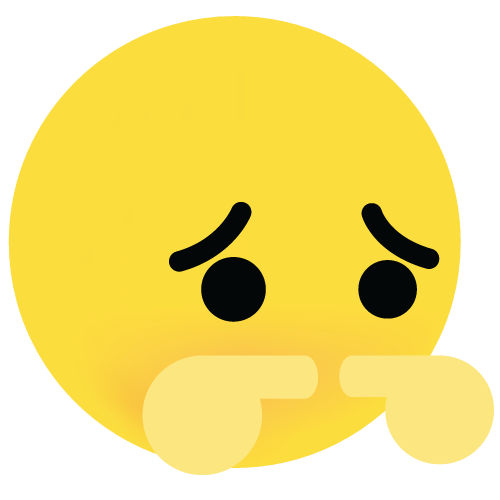
[wronged] often lack proper accessibility markup.
When a screen reader encounters "[cry]", it typically reads the literal text "[cry]" rather than describing the emotional content. This creates a disjointed experience where visually impaired users miss the emotional nuance that sighted users immediately understand.
Solutions for Content Creators
- **Always pair emojis with descriptive text**: Instead of just "[cry]", write "That's hilarious! [cry]"
- **Use platform accessibility features**: When available, add custom alt text to emoji-containing posts
- **Consider emoji placement**: Place descriptive text before emojis so screen reader users understand context first
Color Blindness Considerations
TikTok emojis rely heavily on color to convey meaning, which can be problematic for users with color vision deficiencies. The red 
[angry] emoji and green 
[sick] emoji may appear similar to users with red-green color blindness, leading to misinterpretation.
Design Principles for Inclusive Emojis 1. **Shape differentiation**: Ensure emojis can be distinguished by shape alone, not just color 2. **High contrast**: Use sufficient contrast between emoji elements and backgrounds 3. **Pattern reinforcement**: Add texture or pattern elements to reinforce color-based meanings 4. **Contextual clarity**: Provide enough surrounding context to clarify ambiguous emoji meanings
Cognitive Accessibility
Users with cognitive differences, including those on the autism spectrum or with learning disabilities, may struggle with the abstract and often ironic meanings of TikTok emojis. The [wronged] emoji, for instance, can mean genuine apology, humble bragging, or ironic self-awareness depending on context.
Strategies for Clear Communication - **Explicit context**: Always provide clear contextual cues when using potentially ambiguous emojis - **Consistent usage**: Stick to literal interpretations when communicating with diverse audiences - **Educational approach**: When introducing new emoji meanings, explain them clearly - **Multiple modalities**: Combine emojis with clear text explanations for important communications
Platform Responsibility
TikTok and third-party emoji resources like Emoji Tik have a responsibility to prioritize accessibility:
Technical Improvements Needed - **Standardized alt text**: Implement consistent, descriptive alt text for all platform-specific emojis - **Accessibility testing**: Include users with disabilities in emoji design and testing processes - **Customization options**: Allow users to adjust emoji appearance for better visibility - **Educational resources**: Provide accessibility guidelines alongside emoji usage instructions
Community Guidelines for Inclusive Usage
Individual users can contribute to more accessible emoji communication by:
1. **Leading by example**: Demonstrate inclusive emoji usage in your own content 2. **Educating others**: Share accessibility tips with your community 3. **Providing feedback**: Report accessibility issues to platform developers 4. **Amplifying voices**: Highlight content from disabled creators discussing emoji accessibility
The Future of Accessible Emoji Communication
As digital communication continues evolving, we can expect to see:
- **AI-powered accessibility**: Real-time emoji description and interpretation for assistive technologies - **Personalized emoji experiences**: Customizable emoji appearance based on individual accessibility needs - **Universal design principles**: Emoji design that considers accessibility from the initial concept stage - **Regulatory standards**: Formal accessibility requirements for digital communication tools
Making TikTok emojis accessible isn't just about compliance — it's about ensuring that the connection and cultural participation that emojis enable are available to everyone, regardless of ability. By prioritizing inclusive design and usage practices, we can create a more equitable space where everyone can participate in emoji-driven conversations.
For how emojis serve different cultures, see cross-cultural meanings. For emoji safety, see digital citizenship guide.
Related Articles(5)
TikTok Emoji Codes: Copy and Paste All 46 Emojis (Complete List & Meanings)
A complete TikTok emoji list guide that explains every hidden TikTok emoji code, how to read the TikTok emoji list with meanings, and how to copy & paste codes into comments like a native.
Read more →TikTok Emoji Codes: Full A-Z Dictionary with All 46 Codes, Meanings & Copy-Paste Guide
The complete A-Z dictionary of all TikTok emoji codes. Find any code instantly with its meaning, when to use it, and example comments.
Read more →What Does [lmao] Mean on TikTok? The Complete Guide to TikTok's Most Used Laugh Emoji
The [lmao] emoji on TikTok is one of the platform's most-used reactions. But its meaning is more nuanced than just 'laughing out loud.' Here's what it really signals.
Read more →How to Use Emojis in Your TikTok Bio and Profile: A Complete Guide
Your TikTok bio is 80 characters. Every emoji you put in it sends a signal. Here's how to choose the right ones and avoid the common mistakes.
Read more →TikTok Emoji Codes Not Working in DMs? 5 Workarounds
TikTok emoji codes don't work in DMs — the DM composer skips bracket codes. 5 workarounds: Unicode emojis, copy from comments, screenshots, third-party keyboards, or move to comments.
Read more →Explore More on Emoji Tik
Browse our complete emoji library with all 46 verified TikTok emoji codes and meanings.
Read our latest research articles, trend reports, and emoji guides.
Get answers to common questions about TikTok emojis and their usage.
Have questions or suggestions? We're here to help.