What Does [lmao] Mean on TikTok? The Complete Guide to TikTok's Most Used Laugh Emoji
If you spend any time on TikTok, you've seen `
[lmao]` everywhere. It's one of the most frequently used emoji reactions on the platform — and for good reason. But the way TikTok users use `[lmao]` is different from how it works on other platforms, and understanding that difference is key to reading TikTok comments correctly.
What [lmao] Actually Means on TikTok
On most platforms, "lmao" is just text shorthand for "laughing my ass off." On TikTok, `[lmao]` is a specific emoji code that renders as a custom graphic — and its meaning sits in a specific place in the platform's emotional vocabulary.
**[lmao]** signals genuine amusement at a high level. It's stronger than a casual chuckle but not as intense as `
[cry]` (which on TikTok means "I'm laughing so hard I'm crying"). Think of it as: "this is genuinely funny and I want to register that."
The key difference from Unicode 😂: `[lmao]` on TikTok is platform-specific. Using it signals you know TikTok's conventions. Using "lmao" as plain text or 😂 as a Unicode emoji works too, but reads as slightly less native to the platform's culture.
[lmao] vs [cry]: The Intensity Scale
One of the most common questions about TikTok emojis is the difference between `[lmao]` and `[cry]`. Both signal amusement. The distinction is about intensity:
**[lmao]** — "This is funny." A solid, genuine laugh reaction. Used on content that makes you smile broadly or chuckle out loud.
**[cry]** — "This is so funny I'm overwhelmed." Used on content that hits harder emotionally — the joke was unexpected, the timing was perfect, or the content was so relatable it broke you.
**
[laughwithtears]** — Somewhere between the two. Genuine laughter with visible emotion, but not the overwhelming intensity of `[cry]`.
When you see a comment section dominated by `[lmao]` with a few `[cry]` mixed in, the content landed well across a broad audience — most people found it funny, and some found it hilarious.
When [lmao] Isn't Just About Humor
Like many TikTok emojis, `[lmao]` has developed secondary meanings through usage:
**Deflection**: On serious or vulnerable content, `[lmao]` sometimes appears as a deflection mechanism. Someone shares something personal, and a comment with `[lmao]` suggests the viewer is uncomfortable with the vulnerability and is using humor to distance themselves.
**Relatability**: On "that's so me" content, `[lmao]` signals "I can't believe someone else experiences this too." It's less about humor and more about shared recognition.
**Polite engagement**: Some users drop `[lmao]` as a low-effort way to engage with content they enjoyed but don't feel strongly about. It's the TikTok equivalent of a polite chuckle at a dinner party joke.
Context determines which meaning is active. The same `[lmao]` on a comedy video vs. a vulnerable story-time means different things.
[lmao] in Emoji Combinations
`[lmao]` frequently appears in emoji stacks, and its position changes the meaning:
**[lmao] + [cry]** — The content was hilarious, with `[lmao]` as the baseline reaction and `[cry]` as the escalation. This combination says "I laughed, then I laughed harder."
**[lmao] + 
[clown]** — Self-deprecating humor. "I found this funny and I'm the joke." Common on content where viewers recognize their own bad habits or embarrassing moments.
**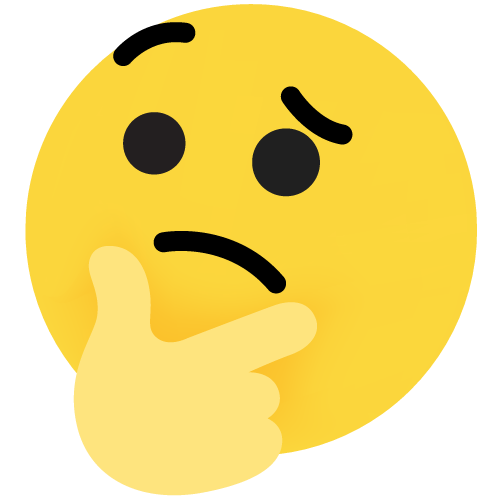
[thinking] + [lmao]** — Initially confused or skeptical, then amused. The viewer processed the content, didn't get it at first, and then the humor landed on reflection.
**[lmao] + 
[facepalm]** — "This is funny but also painfully relatable." Common on content about shared frustrations or universal awkward moments.
How Creators Should Read [lmao] in Their Comments
If you're a creator, the volume and context of `[lmao]` in your comments tells you something specific:
**High [lmao], low [cry]** — Your content is consistently funny but may not be hitting the emotional intensity that drives shares. Great for building a reliable comedy audience.
**High [lmao] with [cry] in top comments** — Your content has broad comedic appeal with moments of exceptional impact. This is a strong engagement pattern.
**[lmao] appearing on non-comedy content** — Your audience may be finding unintended humor in your content. This isn't necessarily bad, but it means your content is being received differently than you intended.
**[lmao] on your personal/vulnerable content** — Some viewers may be deflecting. This is common when content crosses from "relatable" into "uncomfortably honest" for some viewers.
For more on reading your comment section as a whole, see our [creator's guide to emoji engagement](/blog/creator-guide-tiktok-emoji-engagement) or our deep dive on [reading TikTok comment emoji patterns](/blog/reading-tiktok-comment-emoji-patterns).
Related Articles(5)
TikTok Emoji Codes: Copy and Paste All 46 Emojis (Complete List & Meanings)
A complete TikTok emoji list guide that explains every hidden TikTok emoji code, how to read the TikTok emoji list with meanings, and how to copy & paste codes into comments like a native.
Read more →TikTok Emoji Codes: Full A-Z Dictionary with All 46 Codes, Meanings & Copy-Paste Guide
The complete A-Z dictionary of all TikTok emoji codes. Find any code instantly with its meaning, when to use it, and example comments.
Read more →How to Use Emojis in Your TikTok Bio and Profile: A Complete Guide
Your TikTok bio is 80 characters. Every emoji you put in it sends a signal. Here's how to choose the right ones and avoid the common mistakes.
Read more →TikTok Emoji Codes Not Working in DMs? 5 Workarounds
TikTok emoji codes don't work in DMs — the DM composer skips bracket codes. 5 workarounds: Unicode emojis, copy from comments, screenshots, third-party keyboards, or move to comments.
Read more →5 TikTok Emoji Mistakes Every Beginner Makes (And How to Fix Them)
Using the wrong TikTok emoji code, stacking too many emojis, or ignoring context—these common mistakes make your comments look spammy. Here's how top commenters do it right.
Read more →Explore More on Emoji Tik
Browse our complete emoji library with all 46 verified TikTok emoji codes and meanings.
Read our latest research articles, trend reports, and emoji guides.
Get answers to common questions about TikTok emojis and their usage.
Have questions or suggestions? We're here to help.