TikTok Emoji Safety: How Emojis Can Be Used for Harassment — And How to Protect Yourself
TikTok emojis are designed for expression and connection. But like any communication tool, they can be misused. Understanding how emojis are weaponized on TikTok — and how to protect yourself — is an important part of digital citizenship that rarely gets discussed.
How Emojis Are Used for Harassment
**Emoji flooding**: Repeatedly posting the same negative emoji (like `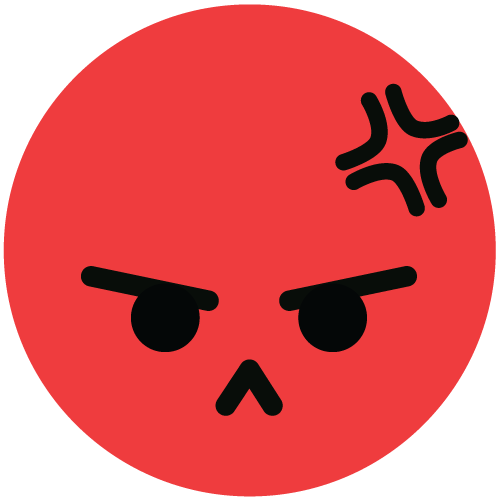
[angry]` or `
[evil]`) across a creator's comment section to create a hostile atmosphere. This is a form of targeted harassment that uses the platform's own features against the creator.
**Misleading emoji usage**: Using emojis in ways that contradict the text to create sarcasm or mockery. For example, commenting "great video" followed by `
[clown]` or `[evil]` — the emoji subverts the text to create insult.
**Emoji dogpiling**: When a community collectively decides to react to a creator's content with specific negative emojis as a coordinated attack. The `[clown]` emoji has been used this way — dogpiling on a creator's comments to mock them en masse.
**Coded harassment**: Using emojis as coded language to harass someone without using explicit words. For example, repeatedly commenting `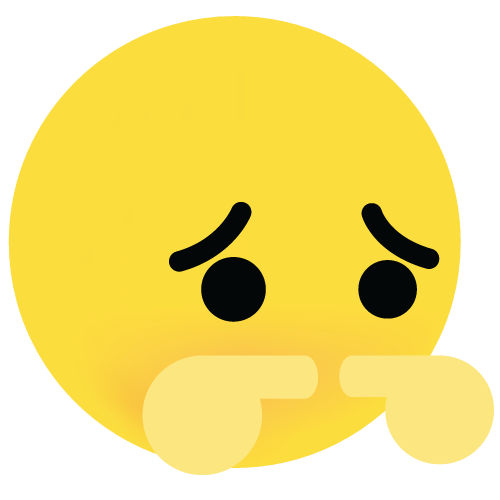
[wronged]` on someone's personal content to imply they're lying or being dishonest.
Recognizing Emoji Harassment
Not every negative emoji reaction is harassment. Disagreement expressed through emojis is normal and healthy. The line is crossed when:
- **The emoji reaction is coordinated**: Multiple accounts posting the same negative emoji in a short time window suggests organized harassment rather than organic disagreement
- **The emoji contradicts the content in a targeted way**: Using `[clown]` or `[evil]` systematically across a creator's posts to undermine them is different from occasional disagreement
- **The emoji is used to mock identity**: Using emojis to mock someone's appearance, accent, background, or identity is harassment, regardless of which emoji is used
- **The emoji reaction is sustained over time**: A one-off negative reaction is normal. Sustained negative emoji reactions across weeks or months suggest targeted behavior
How to Protect Yourself
**As a creator**:
- **Filter comments**: TikTok's comment filter settings can help reduce the visibility of coordinated emoji harassment - **Don't engage with dogpiles**: Responding to coordinated emoji harassment often amplifies it. Muting, filtering, or ignoring is more effective - **Block consistently harassing accounts**: If specific accounts are repeatedly using emojis to harass you, blocking them removes their ability to participate in your comment sections - **Report coordinated harassment**: TikTok's reporting system can address coordinated emoji harassment if you document the pattern (screenshots, timestamps, account names) - **Set boundaries**: Pin a positive comment early to set the tone for your comment section. This can influence how other viewers react
**As a viewer**:
- **Don't participate in dogpiles**: Even if you disagree with a creator, joining a coordinated emoji harassment campaign contributes to a harmful environment - **Report what you see**: If you witness emoji harassment, reporting it helps TikTok's moderation team identify patterns - **Support creators positively**: When you see a creator being targeted by emoji harassment, leaving a positive, genuine comment can help counter the negativity - **Think before you comment**: Using an emoji sarcastically or mockingly on someone's content can contribute to a pattern of harassment even if that wasn't your intention
Healthy Emoji Usage
**Use emojis to add meaning, not subtract it.** A `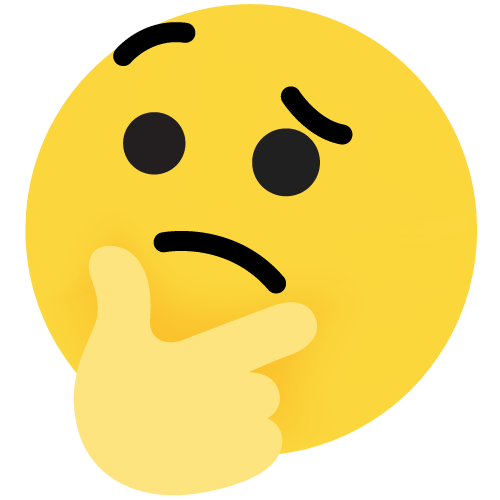
[thinking]` comment that adds perspective is more valuable than a `[clown]` comment that only mocks.
**Match your emoji to the content's actual energy.** If a creator is sharing something vulnerable, `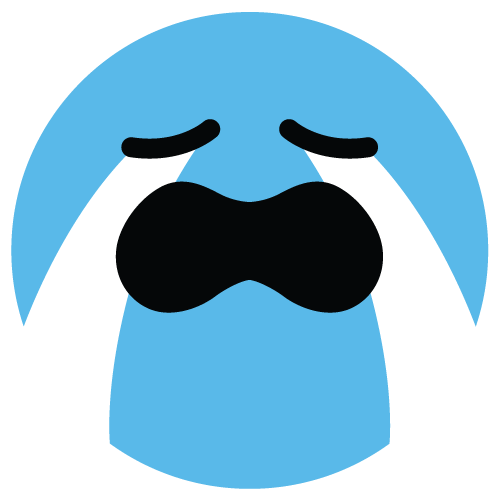
[cry]` as empathy is appropriate. `
[lmao]` on the same content may be hurtful.
**Use emoji combinations to express nuance, not insult.** `[thinking] + 
[facepalm]` communicates "I see the problem and it's frustrating" — that's a constructive reaction. `[evil] + [clown]` communicates mockery — that's destructive.
Teaching Younger Users
If you're a parent, teacher, or mentor to young TikTok users, emoji safety is worth discussing:
- Explain that emojis communicate real messages to real people - Show examples of how the same emoji can mean different things in different contexts - Discuss how coordinated emoji reactions can hurt creators emotionally - Encourage them to use emojis to add warmth and humor, not mockery and cruelty
TikTok's Role
TikTok has responsibility for addressing emoji-based harassment through:
- **Better moderation tools** for detecting coordinated emoji dogpiling - **Clearer reporting categories** that include emoji-based harassment - **Community guidelines** that explicitly address emoji misuse - **Creator protection features** that filter out coordinated negative emoji patterns
As a community, TikTok users set the tone. Choosing to use emojis constructively — even when disagreeing — makes the platform better for everyone.
For more on healthy emoji usage, see our emoji etiquette guide. For the mental health perspective, see our digital wellbeing article.
Related Articles(5)
TikTok Emoji Codes: Copy and Paste All 46 Emojis (Complete List & Meanings)
A complete TikTok emoji list guide that explains every hidden TikTok emoji code, how to read the TikTok emoji list with meanings, and how to copy & paste codes into comments like a native.
Read more →TikTok Emoji Codes: Full A-Z Dictionary with All 46 Codes, Meanings & Copy-Paste Guide
The complete A-Z dictionary of all TikTok emoji codes. Find any code instantly with its meaning, when to use it, and example comments.
Read more →What Does [lmao] Mean on TikTok? The Complete Guide to TikTok's Most Used Laugh Emoji
The [lmao] emoji on TikTok is one of the platform's most-used reactions. But its meaning is more nuanced than just 'laughing out loud.' Here's what it really signals.
Read more →How to Use Emojis in Your TikTok Bio and Profile: A Complete Guide
Your TikTok bio is 80 characters. Every emoji you put in it sends a signal. Here's how to choose the right ones and avoid the common mistakes.
Read more →TikTok Emoji Codes Not Working in DMs? 5 Workarounds
TikTok emoji codes don't work in DMs — the DM composer skips bracket codes. 5 workarounds: Unicode emojis, copy from comments, screenshots, third-party keyboards, or move to comments.
Read more →Explore More on Emoji Tik
Browse our complete emoji library with all 46 verified TikTok emoji codes and meanings.
Read our latest research articles, trend reports, and emoji guides.
Get answers to common questions about TikTok emojis and their usage.
Have questions or suggestions? We're here to help.