TikTok Emoji Arcs: How to Stack Emotional Progression Emojis for Maximum Impact
TikTok's emoji system isn't just about single reactions—it's about storytelling. The platform's power users don't just react with one emoji; they stack multiple emojis in sequences that tell complete emotional arcs. This guide covers the combinations that communicate escalating emotions, dramatic confessions, and confident declarations.
Understanding Emoji Arcs
Before specific combinations, the framework matters. TikTok emoji stacks work as emotional narratives—sequences where each emoji represents a different stage of feeling. The most effective stacks don't just list emotions; they take the viewer on a journey.
The key insight: **the position of each emoji determines its role in the narrative**. In `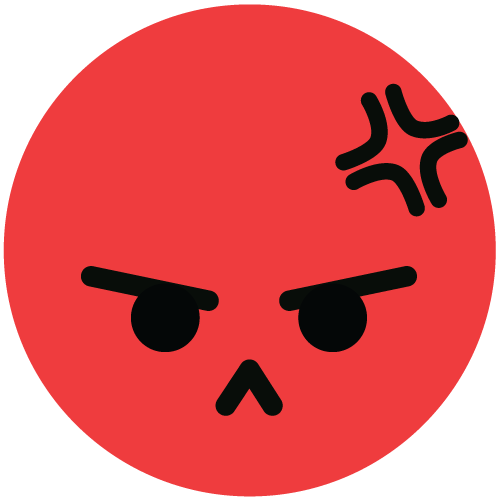
[angry]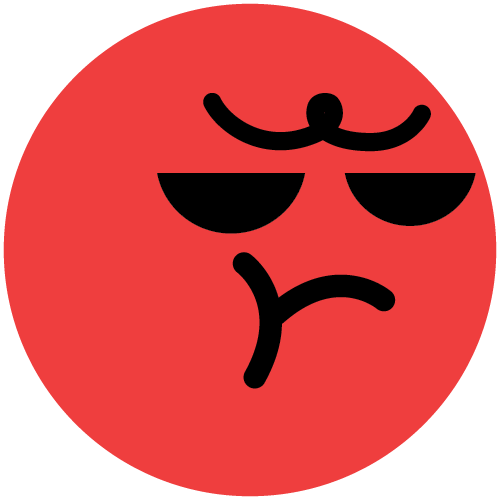
[sulk]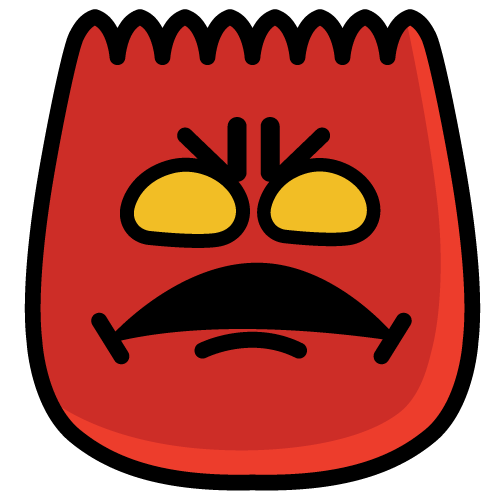
[rage]`, the progression from annoyance to fury tells the story of escalating frustration. But if you reverse it—`[rage][sulk][angry]`—the stack tells a completely different story: explosive anger that deflates into sulking, then into annoyance. Same three emojis, entirely different narrative.
This is why understanding the combinations matters more than memorizing them. Once you understand the underlying logic of each emoji's role in a sequence, you can construct effective stacks for any context.
The Anger Progression Arc
[angry] → [sulk] → [rage]
This three-stage progression is one of TikTok's most visually expressive stacks. Each emoji represents a distinct stage of the anger experience:
**[angry]** is the initial reaction—red face, furrowed brows. It's the "okay this is actually annoying me" moment. In a stack, it sets the starting point: "this content has provoked a response."
**[sulk]** is the withdrawn frustration stage—the angled-head, looking-away face. It's the "I'm upset but I'm not going to show it directly" phase. In a progression, it signals that the initial anger has been internalized and is being processed.
**[rage]** is the breaking point—the face burning red with fury. In a stack, it represents the final escalation: "I've gone from annoyed to full outrage."
**The narrative**: `[angry][sulk][rage]` tells the complete story of how frustration builds. The viewer starts with mild annoyance, retreats into internal sulking, then explodes into full rage. This pattern appears constantly in drama content, story time "and then..." moments, and frustration posts.
**Practical example**: A video about someone being stood up might get "She said she'd be there [angry] Then she ghosts me for 3 days [sulk] And now she posts with him?? [rage]." Each emoji marks a stage in the emotional escalation.
Variations on the Anger Stack
Not every situation requires the full three-stage progression:
- **[angry]** alone — Single mild annoyance. Quick, to-the-point frustration.
- **[angry][sulk]** — Building frustration without full explosion. "I'm upset but holding it together."
- **[angry][rage]** — Skip the internal processing, go straight to fury. For genuinely shocking betrayals.
- **[sulk][sulk][sulk]** — Triple sulk. Extended silent treatment. Implies the sulking has been ongoing.
- **[angry]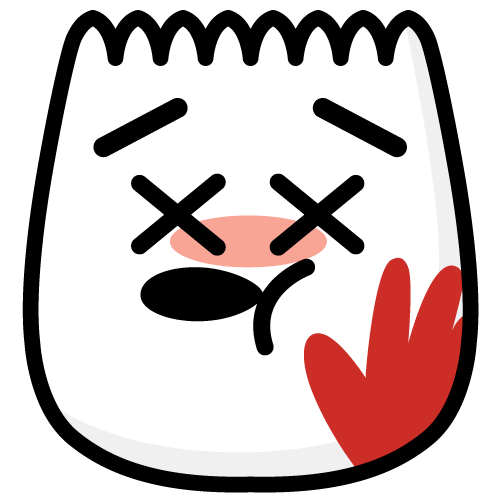
[slap][rage]** — Physical aggression added. For extremely dramatic content.
When to Avoid the Anger Stack
The anger progression should never appear on content where someone is genuinely suffering—using [angry] or [rage] on content about tragedy, loss, or serious hardship reads as emotionally inappropriate. Similarly, avoid anger stacks on professional or news content where measured reactions are more appropriate than dramatic emotional escalation.
The Confession Arc: 
[wronged] + 
[pride]
If the anger arc is about escalation, the confession arc is about strategic vulnerability. The `[wronged][pride]` combination is TikTok's most politically effective emoji stack—it simultaneously signals humility and confidence, apologetic framing and triumphant conclusion.
**The psychology behind it**: [wronged] borrows from East Asian body language—the finger-pressed-together gesture that communicates shy contrition. But on TikTok, this has been repurposed as knowing "oops" energy. It's not a genuine apology; it's a performative acknowledgment that sets up a pivot.
Add [pride]—the smirk emoji—and the stack flips entirely. `[wronged][pride]` reads as "okay, I messed up, but honestly? I'm kind of proud of it." The apology is a setup for the brag.
**Why it dominates story time comments**: This stack mirrors how people actually communicate on social media—confident but not arrogant, self-aware but not self-deprecating. It creates relatability while delivering a confident message. Comments using this combination consistently outperform text-only comments on confession and story time content.
**The full arc**: For genuine (not strategic) confessions, extend to `[wronged]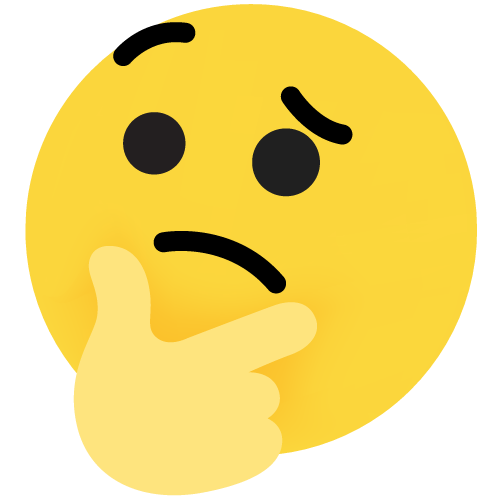
[thinking]
[facepalm]`. This adds the processing and regret stages: "I did something wrong, I thought about it, and now I regret it." Use this version when the content calls for authentic remorse rather than strategic humility.
**Variations**:
- `[wronged]` alone — Classic humble-brag opener. Often the best choice when you want to lead with text rather than emojis.
- `[wronged]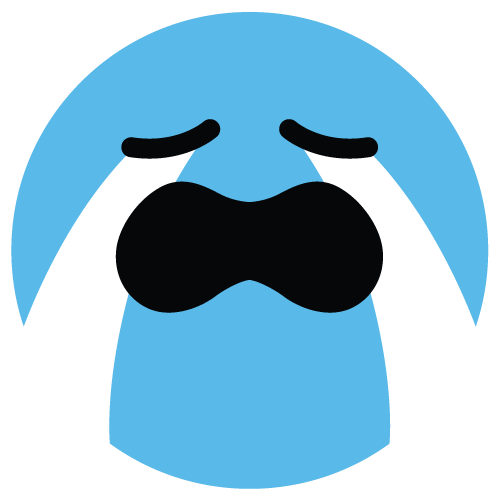
[cry][pride]` — The dramatic comeback arc. Tears before the triumphant recovery. Maximum emotional contrast.
- `[wronged][thinking]` — Processing without resolution. "I'm thinking about what happened." Common on drama content where viewers are still formulating opinions.
The Swagger Stack: 
[cool] + [pride] + 
[smirk]
For achievement content, glow-up reveals, and confident declarations, the swagger stack does the heavy lifting. `[cool][pride]` or `[cool][pride][smirk]` signals that the commenter is not just impressed—they're claiming part of the energy for themselves.
**Why confidence stacks work differently**: Most reaction emojis on TikTok are about receiving content—reacting to what the creator posted. The swagger stack is different: it claims solidarity with the achievement. When someone uses `[cool][pride]` on a glow-up video, they're not just saying "nice work"—they're saying "I'm part of this energy."
**The progression**: [cool] is the cool-guy aesthetic—the sunglasses face. It sets confident tone. [pride] adds the smirk—the "I told you so" energy. [smirk] alone (which is actually `
[proud]` in TikTok code) is the ultimate confident declaration. The stack `[cool][pride]` or `[cool][pride][smirk]` says "this is fire, and I have the confidence to acknowledge it without seeming like I'm trying too hard."
**When to use**: Achievement content, transformation reveals, skill displays, before-and-after content, "I knew I could do it" posts. The swagger stack should never appear on content where the viewer has no stake in the outcome—it reads as presumptuous rather than confident.
The Desire Stack: 
[drool] + 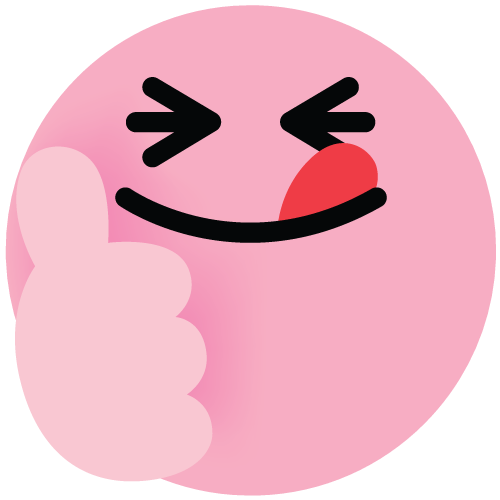
[yummy] + 
[hearteyes]
The desire stack is TikTok's most versatile combination for expressing genuine wanting. Unlike the laugh stacks that dominate comedy content, desire combinations appear across food content, aesthetic posts, fashion showcases, and "thirst trap" comments.
**Each emoji's role**:
- **[drool]** is the most intense desire signal—the literal face drooling. It means "I want this so badly I can't control my physical response."
- **[yummy]** is playful anticipation—the tongue-out, lips-licking face. It means "this looks irresistibly good" without the intensity of drool.
- **[hearteyes]** adds the admiration layer—genuine appreciation mixed with desire.
**The stack logic**: `[drool][yummy][hearteyes]` is the complete desire expression: "I want this intensely, it looks amazing, and I'm genuinely attracted to/appreciative of it." Less intense versions work for different contexts:
- `[drool][yummy]` — Desire plus playful appreciation. Good for food content where you want to seem enthusiastic without being excessive.
- `[yummy]
[cute]` — Softer desire. For aesthetic content that's cute rather than intense.
- `[drool][yummy][cute]` — "Cute + Delicious" stack. For food that's also visually charming.
**Cross-cultural nuance**: The desire stack reads differently across cultures. In some East Asian contexts, [drool] on attractive content reads differently than in Western contexts. TikTok's global audience means these combinations can carry different weight with different viewers—a consideration for creators targeting international audiences.
The Emotional Depth Stack: [cry] + 
[tears] + [pride]
This is the most emotionally complex stack on TikTok and the least understood. `[cry][tears][pride]` appears on dramatic content where the viewer has been moved by the journey more than the outcome—the content that makes you tear up even though it ends well.
**Why it works**: Each emoji represents a different emotional layer. [cry] registers the emotional overwhelm. [tears] sustains and amplifies that emotion. [pride] then pivots to triumphant feeling—the "and I feel good about getting through it" resolution.
This stack is the emoji equivalent of clapping with tears in your eyes. The laughter or emotion has been so intense that it created a genuine physical response, but the overall arc of the content was positive enough that the viewer ends in a proud, triumphant space.
**The reversed version**: `[pride][cry][tears]` tells a completely different story—starting with confidence and ending in emotional overwhelm. Use this when the content subverts expectations: something that looked like it would go well but actually hit hard emotionally.
**When to use**: Emotional story time, "I got through it" content, transformation journeys, content where the ending is positive despite difficulty, drama that resolves with emotional catharsis.
Building Your Own Stacks: The Framework
Rather than memorizing every combination, internalize the principles that make stacks effective:
**Principle 1: Match the emotional arc of the content**. If the content tells a story with clear stages—setup, conflict, resolution—your emoji stack should mirror that arc. The viewer's brain should be able to match your emoji sequence to the content's narrative beats.
**Principle 2: End on the impression you want to leave**. The last emoji in a stack is the final note your comment strikes. If you want to leave the viewer with amusement, end on 
[lmao] or 
[laughwithtears]. If you want to leave them with the feeling that you're confident, end on [pride] or [cool].
**Principle 3: 2-3 emojis maximum**. More than three emojis in a reaction stack looks spammy. If you find yourself wanting to add a fourth, your stack is doing too much. Find the two or three emojis that capture what you mean and stop there.
**Principle 4: Consider the order as narrative**. The difference between `[thinking][facepalm]
[awkward]` and `[facepalm][thinking][awkward]` is the difference between processing then reacting versus reacting then processing. Decide what story you want to tell and put the emojis in the right order.
Quick Reference: Stack Type Cheat Sheet
| Stack Type | Core Pattern | Best For |
|---|---|---|
| Anger escalation | `[angry][sulk][rage]` | Drama, frustration, story time |
| Strategic apology | `[wronged][pride]` | Confessions, humble-brag story time |
| Genuine apology | `[wronged][thinking][facepalm]` | Real apologies, "I messed up" content |
| Achievement swagger | `[cool][pride]` or `[cool][pride][smirk]` | Glow-ups, skill displays, before/afters |
| Desire expression | `[drool][yummy][hearteyes]` | Food content, aesthetic posts, thirst traps |
| Emotional journey | `[cry][tears][pride]` | Emotional story time, dramatic journeys |
| Confident comeback | `[wronged][cry][pride]` | Dramatic confession arcs |
For more on emoji stacking, see the [complete reaction emojis guide](/blog/tiktok-reaction-emojis-complete-guide). For all verified emoji codes, visit the [TikTok emoji list](/tiktok-emoji-list).
Related Articles(5)
TikTok Emoji Codes: Full A-Z Dictionary with All 46 Codes, Meanings & Copy-Paste Guide
The complete A-Z dictionary of all TikTok emoji codes. Find any code instantly with its meaning, when to use it, and example comments.
Read more →TikTok Emoji Codes: Copy and Paste All 46 Emojis (Complete List & Meanings)
A complete TikTok emoji list guide that explains every hidden TikTok emoji code, how to read the TikTok emoji list with meanings, and how to copy & paste codes into comments like a native.
Read more →5 TikTok Emoji Mistakes Every Beginner Makes (And How to Fix Them)
Using the wrong TikTok emoji code, stacking too many emojis, or ignoring context—these common mistakes make your comments look spammy. Here's how top commenters do it right.
Read more →About Emoji Tik: Our Mission to Decode Digital Expression
Meet the team behind Emoji Tik and learn about our passion for understanding how emojis shape digital communication, culture, and human connection in the TikTok era.
Read more →Creator's Guide to TikTok Emoji Engagement: 7 Tactics That Get Comments
How content creators can use their understanding of TikTok emoji culture to write better captions, encourage more comments, and build stronger communities.
Read more →Explore More on Emoji Tik
Browse our complete emoji library with all 46 verified TikTok emoji codes and meanings.
Read our latest research articles, trend reports, and emoji guides.
Get answers to common questions about TikTok emojis and their usage.
Have questions or suggestions? We're here to help.