TikTok Reaction Emojis: The Complete Guide to Emotional Expression Stacks
TikTok's reaction emoji system rewards people who stack 2-3 codes together. While a single emoji like 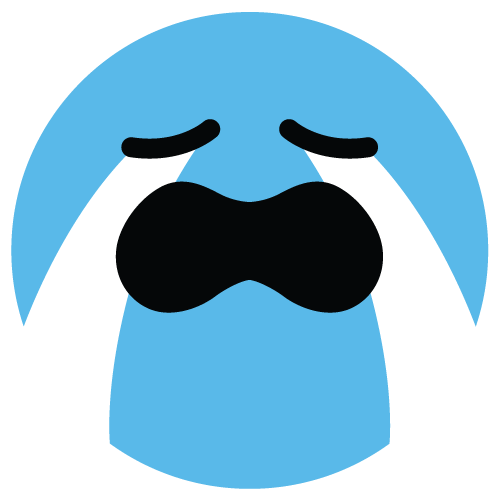
[cry] works fine on its own, a stack like `[cry]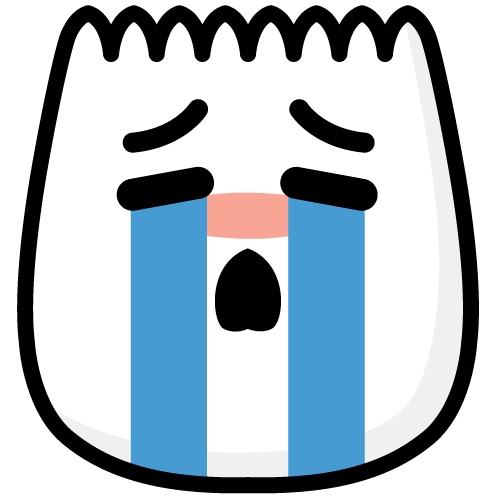
[tears]
[lmao]` is how commenters signal "this was so funny I am actually dead." This page covers every major reaction category on TikTok and the stacking patterns that actually get used in comment sections.
How TikTok Reaction Stacking Works
Before diving into specific combos, understanding the underlying mechanics matters. TikTok emoji stacks work like sentences—each emoji adds a new clause of meaning, and the order determines the emotional narrative.
The most basic principle: **progressive intensity**. When you stack emojis, the last one in the sequence is the final impression your comment leaves. If you lead with [cry] and trail with [lmao], the comment reads as "started emotional, ended amused." Flip it—[lmao] then [cry]—and it reads as "thought it was funny, then realized it was actually sad."
Spacing also matters. On TikTok, most users don't use spaces between emojis in stacks, so `[cry][tears][lmao]` reads as one unified reaction while `[cry] [tears] [lmao]` with spacing reads as three separate reactions. The tight stack is the standard for emotional reactions.
The Big Three: Laugh and Emotion Reactions
The [cry] + [tears] + [lmao] Stack — "I'm Dead"
The most recognizable reaction stack on TikTok is `[cry][tears][lmao]`. This three-emoji combination has become cultural shorthand for "this content is so hilarious I am physically overwhelmed." It's appeared in hundreds of millions of comments and shows no signs of fading.
**Why it works**: Each emoji escalates the emotional intensity. [cry] registers the initial tear response. [tears] amplifies—more tears, more emotion. [lmao] provides the punchline, signaling that the amusement is audible even through tears. Together they tell a complete story: "I laughed until I cried."
**Variations worth knowing**:
- `[cry][tears]` — Two emoji version, slightly less intense. Use this on content that's funny but not overwhelming.
- `
[laughwithtears][lmao]` — The softer version. Good for content that's charming rather than sidesplitting.
- `[cry][tears][lmao]
[wow]` — Added amazement. Use when the content is both hilarious AND impressive.
- `[lmao][cry][tears]` — Reversed intensity. Signals you found it funny first, then the emotional weight hit you later. Rare but powerful for content that starts comedic and ends poignant.
**When to use**: Meme edits, fail compilations, story time with perfect timing, savage clapbacks, relatable content that describes the viewer's own life.
The 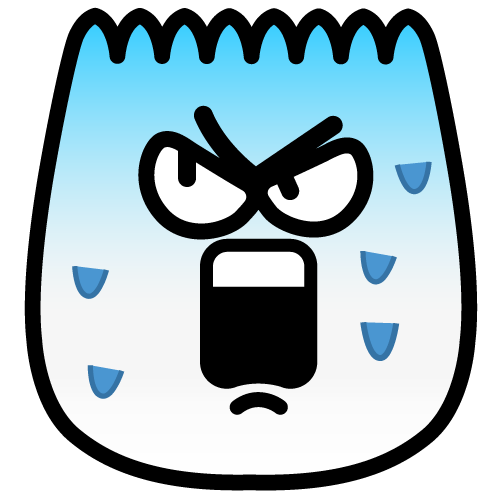
[shock] + 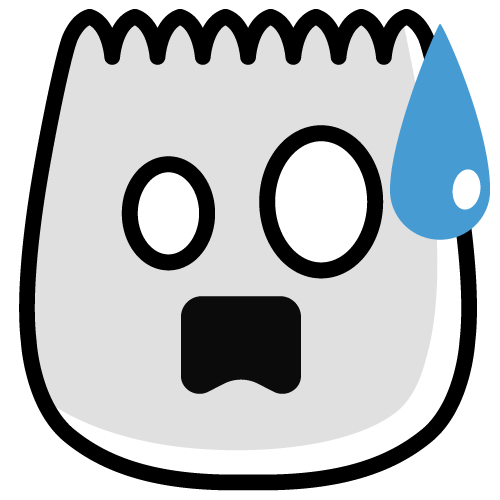
[stun] Stack — "My Brain Broke"
For plot twists and jaw-dropping moments, `[shock][stun]` is the gold standard. Where [cry] signals emotional overwhelm from humor, [shock] signals cognitive disruption—the moment your brain literally cannot process what just happened.
**The distinction that matters**: [shock] vs [stun] is actually a progression, not a choice. [shock] is wide-eyed disbelief—you see it, you can't believe it, but you're still processing. [stun] has dizzy eyes and literal stars—it means your brain has actually broken and can't process at all. Using both together creates maximum impact: "I saw it, I couldn't believe it, my brain shut down."
**Variations**:
- `[shock]` alone — For mild plot twists. When something is surprising but not brain-breaking.
- `[shock][stun]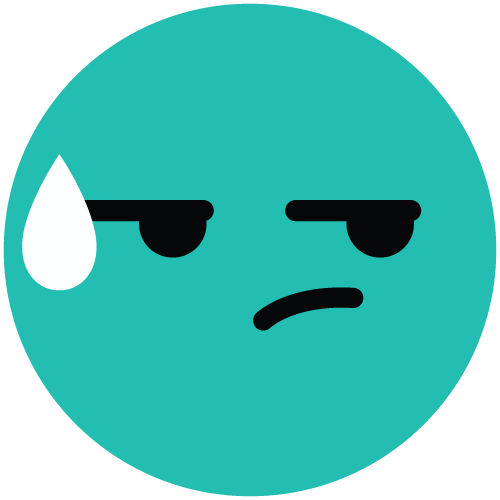
[speechless]` — The "mind blown" trifecta. Maximum cognitive overwhelm.
- `[shock][wow]` — Amazement plus disbelief. For impressive content that you also can't believe.
- `[shock][cry]` — "This shocked me so hard I'm emotional." For dramatic story reveals that hit both surprise and emotion.
**When to use**: Plot twist reveals, impossible skill displays, transformation videos, drama content with unexpected endings, "and then..." story moments.
The 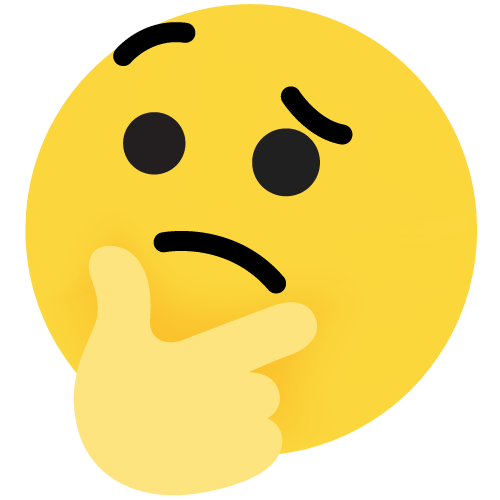
[thinking] + 
[facepalm] + 
[awkward] Stack — "The Realization Arc"
The most narratively complex stack on TikTok isn't about raw emotion—it's about the moment of realization followed by embarrassment. The `[thinking][facepalm][awkward]` sequence (or variations thereof) appears everywhere from story time comments to "I can't believe I did that" confessional content.
**Why it's so effective**: This stack tells a three-act story in three emojis. [thinking] says "let me process this." [facepalm] says "oh no, I see what happened." [awkward] says "and now I'm embarrassed about it." It's the visual equivalent of putting your head in your hands and groaning.
**Variations**:
- `[thinking][awkward]` — Two-act version. Processing leads to immediate embarrassment. Good for content where the realization is quick.
- `[facepalm][thinking][awkward]` — Reversed order. Starting with the physical reaction then the mental processing. Reads differently—the facepalm leads, so the comment starts with "I can't believe this" before the personal reflection kicks in.
- `[thinking]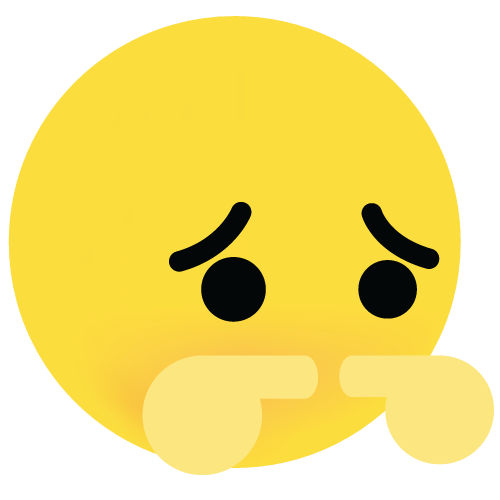
[wronged]` — "I'm processing and also feel implicated." Common on drama content where viewers recognize their own behavior.
- `[thinking]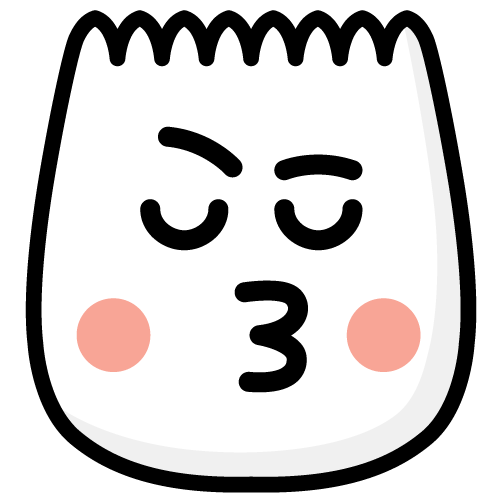
[pride]` — "I've processed this and actually feel good about it." The positive resolution arc.
**When to use**: Self-deprecating content, "relatable" videos where viewers recognize their own mistakes, story time where the creator's realization mirrors the viewer's, advice content that viewers initially disagree with then reconsider.
Beyond the Big Three: Other Reaction Combinations
The [wronged] + [pride] Stack — "The Strategic Apology"
This stack deserves special mention because it operates differently from the pure emotion stacks above. [wronged] + [pride] is about strategic humility—it looks like an apology but actually signals confident ownership.
**The psychology**: [wronged] shows the finger-pressed-together gesture associated with shy contrition across East Asian cultures. On TikTok, this has been repurposed as knowing, playful "oops." Combine it with [pride]—the smirk emoji—and the stack says "okay I messed up, but honestly? I'm kind of proud of it."
**Variations**:
- `[wronged]` alone — The classic humble-brag opener. Often followed by text rather than more emojis.
- `[wronged][thinking][facepalm]` — The full repentance arc. For genuine (not strategic) apologies.
- `[wronged][cry][pride]` — The dramatic comeback. Tears before the triumph.
**When to use**: Story time confessions, "I messed up but I'd do it again" content, clapback setups, strategic self-deprecation that isn't actually sorry.
The [cry] + [tears] Stack — Softer Emotional Reaction
Not everything requires the full `[cry][tears][lmao]` treatment. Sometimes content is touching without being funny—genuinely moving rather than hilarious. For this, the two-emoji `[cry][tears]` stack is more appropriate.
**Why it works**: [cry] alone means tears flowing from any emotion—laughter, sadness, empathy, overwhelm. Adding [tears] emphasizes that the emotion is sustained and significant. But without [lmao], there's no humor signal—the combination reads as genuine emotional response rather than comedic reaction.
**When to use**: Emotional story time, heartfelt content, "this touched me" reactions, content that makes viewers feel seen rather than amused.
The Science Behind Why Reaction Stacks Work
TikTok's reaction emoji stacks work because they match how humans actually experience emotions in real time. Psychologists who study emoji use note that visual emotional expressions are processed faster than text—the brain's visual centers engage within 200 milliseconds of seeing an emoji, while linguistic processing of text takes significantly longer.
Stacks compound this effect. A single emoji like [cry] communicates one emotional state. A stack like `[cry][tears][lmao]` communicates a sequence—a beginning, middle, and end. The viewer doesn't just see "amused," they see "amused to the point of physical overwhelm." The additional emotional information makes the comment feel more authentic and specific, which drives engagement.
Research on social media engagement consistently shows that comments that communicate specific, nuanced emotional reactions outperform generic positive reactions. "This is funny" gets fewer likes than a stack that shows exactly HOW the content was funny and exactly how intensely the viewer experienced it.
Common Mistakes with Reaction Stacks
**Mistake 1: Over-stacking**. More than 3 emojis in a reaction stack looks spammy and dilutes the impact. The sweet spot is 2-3 emojis maximum. If you find yourself reaching for a 4th, ask whether the 3 you have already say what you mean.
**Mistake 2: Wrong order**. `[awkward][thinking][facepalm]` reads very differently from `[thinking][facepalm][awkward]`. The first starts with embarrassment and works backward to confusion. The second starts with processing and ends with embarrassment. Neither is wrong, but they're different stories—make sure you're telling the one you intend.
**Mistake 3: Using laugh emojis on non-comedy content**. `[lmao]` and `[laughwithtears]` should never appear on content that's genuinely sad, traumatic, or vulnerable. Using laugh emojis on serious content reads as dismissive or tone-deaf.
**Mistake 4: Mixing register**. Don't combine ultra-casual stack emojis like `[lmao]` with formal text in the same comment. The contrast creates cognitive dissonance that weakens the impact of both.
Quick Reference: Reaction Stack Cheat Sheet
| Content Type | Primary Stack | Alternative |
|---|---|---|
| Hilarious meme/fail | `[cry][tears][lmao]` | `[laughwithtears][lmao]` |
| Plot twist reveal | `[shock][stun]` | `[shock][wow]` |
| Emotional story | `[cry][tears]` | `[cry]` alone |
| Self-deprecating confessional | `[thinking][facepalm][awkward]` | `[facepalm][thinking][awkward]` |
| Strategic humble-brag | `[wronged][pride]` | `[wronged]` alone |
| Genuine apology | `[wronged][thinking][facepalm]` | `[thinking][wronged][facepalm]` |
| Dramatic comeback | `[wronged][cry][pride]` | `[cry][tears][lmao][wow]` |
How to use the cheat sheet
Bookmark this page and refer to the cheat sheet when you are commenting on TikTok content. The core principle: TikTok emoji stacks tell mini-stories. The emojis you choose and the order you place them in should match the emotional arc of the content you are reacting to, and the role you want to play in the conversation.
For deeper dives into individual emoji categories, see our guides on TikTok emoji by mood and emotion and TikTok emoji meanings. For verified codes for every emoji mentioned here, visit the complete emoji list.
Related Articles(5)
TikTok Emoji Codes: Full A-Z Dictionary with All 46 Codes, Meanings & Copy-Paste Guide
The complete A-Z dictionary of all TikTok emoji codes. Find any code instantly with its meaning, when to use it, and example comments.
Read more →TikTok Emoji Arcs: How to Stack Emotional Progression Emojis for Maximum Impact
From the anger progression ([angry]→[sulk]→[rage]) to dramatic confession arcs and confident swagger stacks, learn how TikTok's most expressive emoji combinations tell complete emotional stories.
Read more →TikTok Emoji Codes: Copy and Paste All 46 Emojis (Complete List & Meanings)
A complete TikTok emoji list guide that explains every hidden TikTok emoji code, how to read the TikTok emoji list with meanings, and how to copy & paste codes into comments like a native.
Read more →5 TikTok Emoji Mistakes Every Beginner Makes (And How to Fix Them)
Using the wrong TikTok emoji code, stacking too many emojis, or ignoring context—these common mistakes make your comments look spammy. Here's how top commenters do it right.
Read more →About Emoji Tik: Our Mission to Decode Digital Expression
Meet the team behind Emoji Tik and learn about our passion for understanding how emojis shape digital communication, culture, and human connection in the TikTok era.
Read more →Explore More on Emoji Tik
Browse our complete emoji library with all 46 verified TikTok emoji codes and meanings.
Read our latest research articles, trend reports, and emoji guides.
Get answers to common questions about TikTok emojis and their usage.
Have questions or suggestions? We're here to help.