TikTok Emoji History: A Complete Timeline of How Emoji Codes Evolved on TikTok
TikTok's emoji system didn't start as a language. It started as a set of simple reaction graphics — the kind of thing you'd expect any social app to have. But something happened along the way. Users started treating these emojis like words, combining them, assigning new meanings, and building a communication system that goes far beyond what the original designers intended.
Here's the timeline of how that happened.
The Pre-TikTok Era (Before 2018)
Before TikTok, digital emoji communication relied entirely on Unicode — the standardized emoji system that works across all platforms. Users had access to thousands of emoji characters, but they had two major limitations:
- **Inconsistent appearance** — the same emoji looked different on every device, making shared meaning difficult - **Limited emotional range** — Unicode emojis were designed for general communication, not the specific emotional reactions that short-form video content provokes
Other platforms had tried custom emoji sets — Slack had workspace-specific emojis, Discord had server emojis, Twitter had Twemoji. None achieved the cultural reach that TikTok's system would.
The Launch Phase (2018-2019)
When TikTok (originally Musical.ly) introduced its own emoji system, it was straightforward: a small set of reaction graphics accessible through the comment interface. Users could tap to add emojis to their comments, similar to how Facebook reactions worked.
The early set was small — perhaps a dozen emojis covering basic emotions: happy, sad, laughing, surprised, angry. These were used literally. A laughing emoji meant something was funny. A crying emoji meant something was sad. There was no subtext.
The bracket code system existed but was not widely known. Only users who typed emoji codes manually discovered that typing `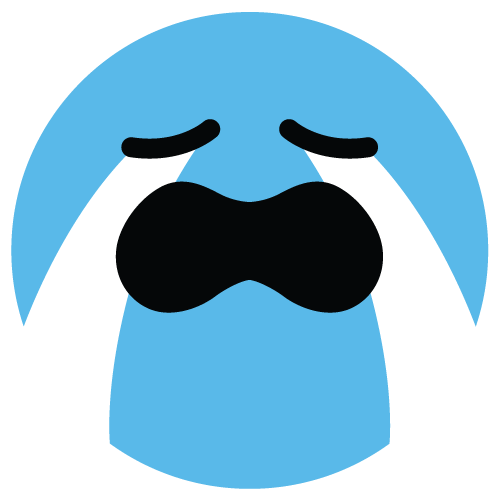
[cry]` or `
[lmao]` in square brackets would produce the graphics.
The Discovery Phase (2020)
TikTok's explosive growth in 2020 brought millions of new users, and with them came experimentation. Users discovered that:
- Bracket codes produced emojis without needing to tap through a picker - The same emoji could mean different things in different comment sections - Combining emojis created compound meanings that single emojis couldn't express
This was the year `[cry]` started shifting from sadness to "I'm overwhelmed" — usually by humor. The change was organic and community-driven. Nobody announced it. Users just started using the emoji differently, and the new meaning stuck.
The bracket code system became more widely known through tutorials and "TikTok hacks" videos. Users who knew the codes felt like insiders — a social dynamic that accelerated code adoption.
The Codification Phase (2021-2022)
During this period, TikTok's emoji system began developing recognizable patterns:
**
[clown]** shifted from "you're a clown" (insult) to "I'm the clown" (self-deprecation). This was one of the most significant meaning reversals in the system's history.
**
[angel]** evolved from innocence to strategic innocence — the sense of pretending to be innocent when everyone knows you aren't. The emoji became a tool for ironic self-presentation.
**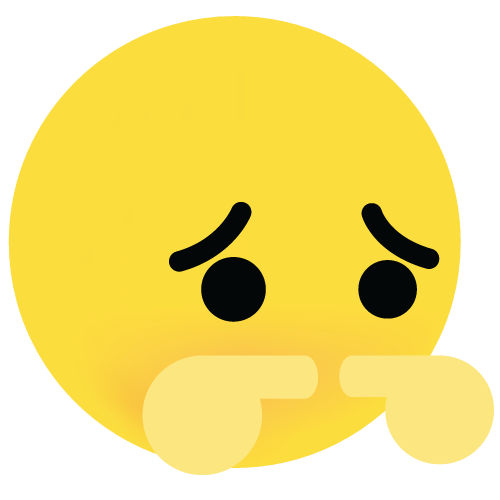
[wronged]** emerged as a strategic humility signal — acknowledging a mistake while subtly positioning yourself as sympathetic. The `[wronged] + 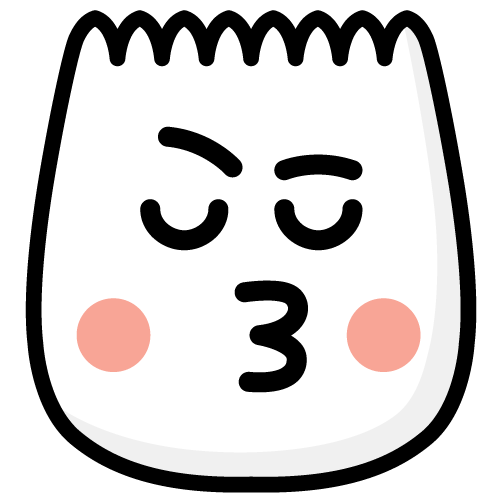
[pride]` combination appeared during this period and quickly became one of the most used emoji sequences on the platform.
TikTok also expanded its emoji set during this time, adding new graphics for specific emotional states that didn't have good Unicode equivalents.
The Combination Era (2023-Present)
The current phase of TikTok emoji culture is defined by combinations. Users don't just pick one emoji — they pick sequences that tell stories and communicate complex emotional progressions.
The `[wronged] + [pride]` combination communicates something neither emoji could alone: "I messed up but I'm still winning." The `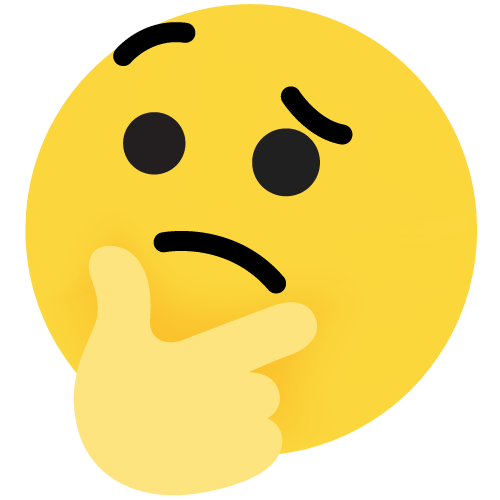
[thinking] + 
[facepalm] + 
[awkward]` sequence is a complete emotional arc that reads as a coherent thought.
This is the closest TikTok's emoji system has come to actual grammar. There are rules about order (putting `[facepalm]` before `[thinking]` reads wrong), about quantity (two or three emojis, not five), and about context (some combinations only work in specific content categories). Nobody wrote these rules down. They emerged from usage patterns across millions of comments.
What Drives Emoji Evolution on TikTok
Several factors make TikTok's emoji system evolve faster than any other platform's:
**Server-side rendering** means everyone sees the same graphic. This creates stable reference points for meaning to anchor to.
**Comment culture** on TikTok is uniquely text-heavy and interactive. Unlike Instagram (where comments tend to be short), TikTok comments often contain jokes, mini-essays, and arguments. Emojis slot into this longer-form text naturally.
**Algorithm-driven content** means users see content from strangers, not just friends. This creates a need for universally understood reactions — emojis that work across different communities and subcultures.
**Hidden codes** create a learning barrier that functions as a community boundary. People who know the codes are insiders. This social dynamic drives rapid adoption among users who want to belong.
Where This Is Going
TikTok's emoji system will keep growing because the incentives are aligned. Users want more expressive tools, and TikTok benefits from the cultural engagement that emojis drive. New emojis will be added, existing ones will shift meaning, and the combination patterns will get more sophisticated.
What makes this evolution interesting isn't that emojis are changing — language always changes. It's that TikTok's specific system — hidden codes, platform-specific graphics, community-driven meanings — created the conditions for this evolution to happen faster and more visibly than almost anywhere else in digital communication.
For a deeper linguistic analysis of how TikTok emoji codes function as a language system, see our linguistics article. For the semiotic perspective, see semiotics of TikTok emoji codes.
Related Articles(5)
Why TikTok Commenters Default to [cry] Instead of Words
Most TikTok comments are a single emoji. Here is what is actually going on when a commenter chooses [cry] over 'that was funny,' and why the shorthand beats the sentence in a fast-moving comment section.
Read more →How TikTok Emoji Codes Function as Group Membership
Bracket codes like [cry], [wronged], and [clown] are not just visual shortcuts — they are how TikTok commenters signal they belong. Here is the social mechanics of how it actually works in comment sections.
Read more →TikTok Emoji Codes as Digital Language: A Linguistic Analysis
TikTok's bracket emoji codes aren't just shortcuts — they form a genuine linguistic system with grammar, semantics, and community-driven evolution. Here's what linguists and language researchers can learn from them.
Read more →Why Does Only TikTok Have Custom Emoji Codes? What Other Platforms Do Differently
TikTok is the only major platform where typing [cry] in a comment produces a custom graphic. Why did TikTok build this system when YouTube, Instagram, and X went with standard emojis?
Read more →TikTok Emoji Meanings Across Languages: How [cry], [cool], and [wronged] Translate Across Cultures
The same TikTok emoji carries different meanings in English, Spanish, Chinese, Portuguese, and Indonesian contexts. Here's a side-by-side comparison.
Read more →Explore More on Emoji Tik
Browse our complete emoji library with all 46 verified TikTok emoji codes and meanings.
Read our latest research articles, trend reports, and emoji guides.
Get answers to common questions about TikTok emojis and their usage.
Have questions or suggestions? We're here to help.