The iPhone 18 Launch Comment Field Guide: Why [pride], [thinking], and [wronged] All Showed Up on the Same Day
The Apple "Surprise and Shine" event on September 9, 2026 dropped two products at once: the iPhone 18 Pro and Pro Max on the usual timeline, plus a foldable iPhone in the new "Duo" form factor. Tech TikTok spent the next 72 hours either buying, mocking, or defending.
If you only watched the videos, the comment sections looked chaotic. The same bracket codes kept surfacing across wildly different videos. But if you group the comments by what people were actually doing with each emoji — not by what emotion the emoji supposedly depicts — three patterns jump out. The launch-day comment section was running three distinct rhetorical operations in parallel, each with its own emoji stack. This guide walks through each one.
The short version: the launch comment field is a cultural-layer problem, not a mood problem. `
[pride]` next to a $2,000 phone means something different than `[pride]` next to a glow-up. `
[thinking]` next to a foldable screen means something different than `[thinking]` next to a conspiracy. Same brackets, different jobs. To see the full second-axis mapping we maintain at the site, the cultural layers hub covers all three layers with their per-language blurbs.
The Status layer: "I made the right choice, I'm winning"
The first layer showed up in the first hour. Tech creators who pre-ordered posted unboxing clips. Their comments were full of `[pride]`, `
[cool]`, `
[drool]`, `
[yummy]`, `
[smile]`, `
[hearteyes]`, `
[loveface]`, `
[complacent]`, and `
[excited]`. None of these emojis *describe* a feeling about a phone. They claim a position.
Read the comments this way and the grammar is consistent:
- `[pride]`: "I have it. You don't."
- `[cool]`: "This is impressive, and by extension, my taste in gadgets is impressive."
- `[drool]` and `[yummy]`: applied to the phone hardware itself — "this thing looks good enough to eat." Thirst-trap language aimed at an object.
- `[smile]`: the calmest of the bunch. Not "I am happy." More like "I am settled."
- `[loveface]` and `[hearteyes]`: affection claims. Used on launch posts by buyers who want to register love for the device they just paid for.
- `[complacent]`: sunglasses-on-face energy. "Already knew this was going to be good. Bought anyway."
- `[excited]`: the only one that gestures toward an actual emotion. But on launch day, even this reads as performance — the jumpy-bouncing emoji is a stance, not a feeling.
The interesting one in the Status layer is `[smile]`, because it is doing double duty. `[smile]` also appears in the Nostalgia layer (more on that below). A user typing `[smile]` next to a launch post is saying "I won." A user typing `[smile]` next to a "should I upgrade" post is saying "I'm at peace with where I already am." Same bracket, opposite moves.
The Status layer is the easiest to dismiss as hype. It is louder than the other two. But it is also doing real work: in a comment section, marking yourself as a launch-day buyer is a social claim with consequences. It puts you on the "early adopters" side of every product conversation that follows for the next six months. The Status emojis are how commenters perform that positioning in three characters.
For more on the Status stack specifically, the cultural layers hub breaks down which other bracket codes live in the same layer — including some that surprise people.
The Skeptic layer: "Is this actually worth it?"
The second layer was harder to spot at first because it wore a polite face.
Across the more analytical creator accounts — the ones doing "should you upgrade" videos, "is the foldable worth $2,300" posts, "let me compare the Duo to the Galaxy Fold" content — the dominant codes were `[thinking]`, `
[facepalm]`, `
[awkward]`, `
[shock]`, `
[surprised]`, `
[stun]`, `
[speechless]`, `
[smirk]`, `
[disdain]`, `[sweat]`, and `
[wow]`. Eleven bracket codes, all doing versions of the same rhetorical move: polite refusal to be sold to.
The Skeptic layer reads as varied on the surface but converges on one job:
- `[thinking]` and `[facepalm]`: the two workhorse codes. `[thinking]` = "I'm doing the math in my head, the numbers aren't adding up." `[facepalm]` = "I can't believe they actually priced this at this number."
- `[awkward]` and `[sweat]`: the social-discomfort codes. Used when a creator makes a particularly aggressive sales pitch. `[awkward]` reads as "I am uncomfortable being on the receiving end of this."
- `[shock]`, `[stun]`, `[speechless]`, `[surprised]`, `[wow]`: a family of surprise codes that, on launch day, reads less as "wow cool" and more as "wow, you really did that."
- `[smirk]` and `[disdain]`: the cold versions. These don't even pretend to be processing. They signal that the user has already decided the price is bad and is now performing the decision.
- `[speechless]`: the strongest statement in the layer. "I have run out of polite responses."
The Skeptic layer is what makes a launch comment section interesting rather than uniformly celebratory. Without it, the comment section would just be buyers congratulating each other. With it, you get a real argument: the Status comments claim the device is worth it, the Skeptic comments claim it is not, and the conversation that emerges is the comment section actually doing its job.
The Skeptic stack also has a class dimension that is worth naming. Most of the people typing `[facepalm]` next to "$2,299 starting price" are not the same people typing `[pride]` next to their unboxing. The Skeptic emojis carry a class-conscious price shock that the Status emojis refuse to acknowledge. Both layers are correct about what they are saying. They are just talking past each other.
The cultural layers hub maps out which other codes live in the Skeptic layer for non-launch situations — it turns out the same bracket codes are doing this work in every consumer-discourse context on TikTok, not just Apple drops.
The Nostalgia layer: "My old phone is fine"
The third layer was the surprise of the week. It did not show up in the launch-day comments. It showed up two days later, in the "I'm keeping my 16 Pro" and "the 17 is still good enough" posts.
The codes: `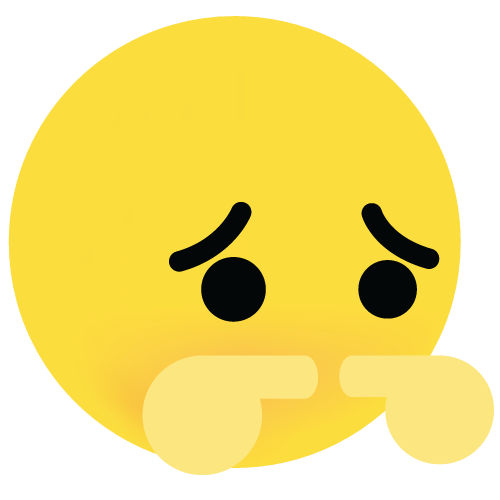
[wronged]`, `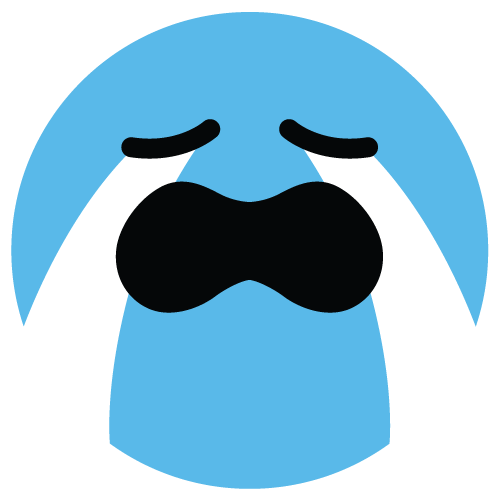
[cry]`, `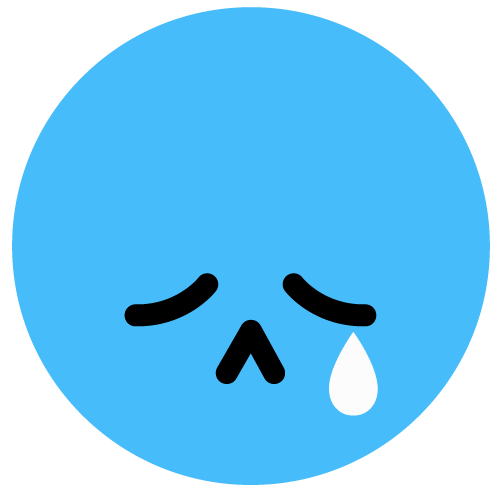
[weep]`, `
[hug]`, `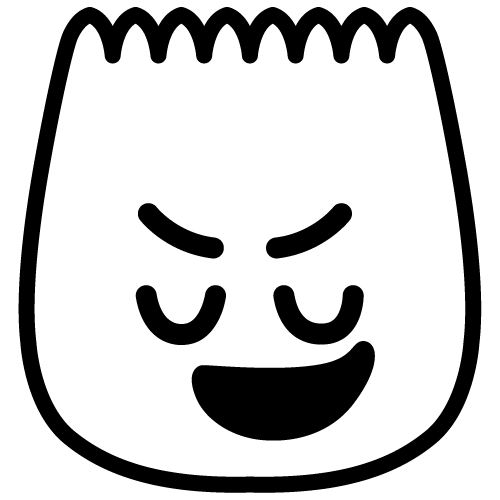
[proud]`, `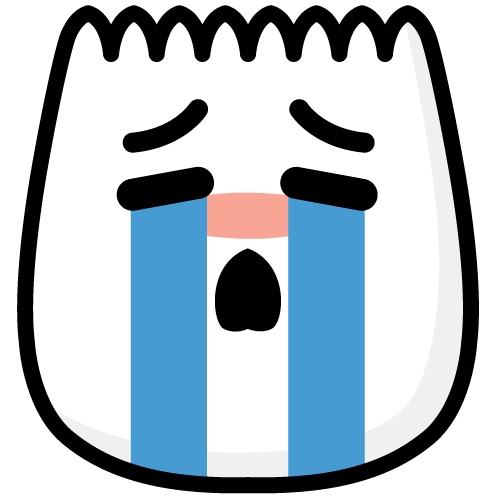
[tears]`, `[sob]`, and again `[smile]`. Same as the Status layer's `[smile]`, doing its second job.
The Nostalgia layer is the inverse of the Status layer. Where Status claims a new acquisition, Nostalgia defends an existing one. The grammar:
- `[wronged]`: the apology-coded emoji repurposed as "I am being mistreated by being asked to upgrade."
- `[cry]`, `[weep]`, `[tears]`, `[sob]`: a stack of sadness codes used to mourn the older device. Genuine or performed, the effect is the same — the older phone is being laid to rest.
- `[hug]`: comfort emoji used on commenters who are mourning their own devices. "I see you, fellow upgrader-resister."
- `[proud]`: the duality winner. `[proud]` on a launch post = "I'm proud to own this." `[proud]` on a "keeping my old phone" post = "I'm proud to resist."
- `[smile]`: the calm, settled version of the Nostalgia claim. "I am at peace with my decision not to buy."
The Nostalgia layer is doing something the Status and Skeptic layers do not: it is anti-consumer in tone. The Status layer is buying, the Skeptic layer is questioning the buy, and the Nostalgia layer is refusing to buy at all — but framing the refusal as a positive identity claim rather than a deprivation. "I am not buying the iPhone 18" is not the message. "I am choosing my older phone" is the message.
This is the cultural-layer pattern in its clearest form: the same emoji, the same flat text, completely different social work depending on the rhetorical position of the commenter. A user typing `[cry]` next to an unboxing is performing launch hype. A user typing `[cry]` next to a "RIP my old phone" post is performing nostalgia grief. Same code, different layer.
For the full breakdown of which codes live in this layer, including the dual-use cases like `[smile]` and `[proud]`, see the cultural layers hub.
How to use the layer view in practice
If you are a creator watching your launch-day comment section, the layer split is more useful than the mood split. A comment section dominated by Status codes means you sold to buyers who want to perform their buy. A comment section with Skeptic codes means your audience is processing whether the buy is worth it. A comment section with Nostalgia codes means you have an audience that is being asked to upgrade and is resisting.
For each layer, the response shape is different:
- **Status-heavy comment section**: the buyers are talking to each other. Reply to a few of them with `[pride]` or `[cool]` to mark them as your people. Don't try to convert them — they already converted.
- **Skeptic-heavy comment section**: the skeptics want to be convinced, not dismissed. `[thinking]` back at them is the wrong move — it signals you are also skeptical. `[smile]` or `[proud]` to keep your position. Save the real answer for a follow-up video.
- **Nostalgia-heavy comment section**: the nostalgia posters are defending a choice. The worst thing you can do is argue with their choice. `[hug]` or `[cry]`-with-empathy acknowledges without dismissing.
The pattern generalizes. Every consumer product drop on TikTok runs through these same three layers. The launch-day comment field is not chaos — it is three conversations in parallel, each with its own emoji grammar. Knowing which conversation you are reading is the difference between reading the comment section and being confused by it.
For a full cross-tab of how each of the 46 TikTok emojis maps onto these layers — and which ones carry one layer, which carry two, and which carry none — the cultural layers hub has the breakdown by language. The mood hub at /emoji-categories is still where you go if you want the original "what emotion is this emoji" view; the cultural layer view is additive, not a replacement. Same emojis, second axis.
Related Articles(5)
Why TikTok Commenters Default to [cry] Instead of Words
Most TikTok comments are a single emoji. Here is what is actually going on when a commenter chooses [cry] over 'that was funny,' and why the shorthand beats the sentence in a fast-moving comment section.
Read more →How TikTok Emoji Codes Function as Group Membership
Bracket codes like [cry], [wronged], and [clown] are not just visual shortcuts — they are how TikTok commenters signal they belong. Here is the social mechanics of how it actually works in comment sections.
Read more →TikTok Emoji Codes as Digital Language: A Linguistic Analysis
TikTok's bracket emoji codes aren't just shortcuts — they form a genuine linguistic system with grammar, semantics, and community-driven evolution. Here's what linguists and language researchers can learn from them.
Read more →Why Does Only TikTok Have Custom Emoji Codes? What Other Platforms Do Differently
TikTok is the only major platform where typing [cry] in a comment produces a custom graphic. Why did TikTok build this system when YouTube, Instagram, and X went with standard emojis?
Read more →TikTok Emoji Meanings Across Languages: How [cry], [cool], and [wronged] Translate Across Cultures
The same TikTok emoji carries different meanings in English, Spanish, Chinese, Portuguese, and Indonesian contexts. Here's a side-by-side comparison.
Read more →Explore More on Emoji Tik
Browse our complete emoji library with all 46 verified TikTok emoji codes and meanings.
Read our latest research articles, trend reports, and emoji guides.
Get answers to common questions about TikTok emojis and their usage.
Have questions or suggestions? We're here to help.