How Brands Can Use TikTok Emojis Authentically: A Marketing Guide for 2026
Brands on TikTok face a specific problem: their emoji usage usually looks fake, and Gen Z users can tell within half a second. A corporate account dropping 
[cry] + 
[lmao] + 
[clown] in a comment section reads the same way a parent texting with full emoji sentences does — you can feel the effort, and it's uncomfortable.
The Fundamental Issue
Most brand emoji usage on TikTok fails because it's treating emojis as decoration rather than communication. When a real user types [cry], they mean something specific. When a brand types [cry], it usually means "we hired someone who knows TikTok." The emoji is the same. The energy behind it is completely different.
What Actually Works
The brands that get emoji usage right tend to follow a simple pattern: they use one or two emojis that genuinely connect to what they're saying, and they avoid the ones that require cultural fluency they don't have.
A food brand responding to a recipe video with 
[yummy] is fine — it's literal, it's honest, nobody is going to question it. A tech company using 
[wow] on an impressive user build works for the same reason. The emoji matches the actual reaction.
What doesn't work: a skincare brand using 
[angel] + 
[pride] + 
[cute] on a transformation video. That's three emojis doing the work of one, and the stacking signals "marketing" rather than "reaction."
The Emojis Brands Should Avoid
[clown] and [lmao] are the most common brand mistakes. These emojis require you to actually be funny or actually find something funny. Brands that deploy them as generic "we're relatable" signals get called out in the replies every time.

[wronged] is another trap. Its meaning shifts between cultures — strategic humility in the West, genuine apology in the East. A brand that doesn't know which audience is reading the comment is rolling the dice.
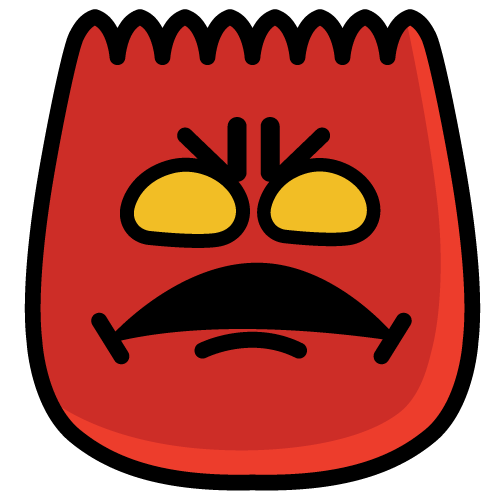
[rage] should be off-limits entirely. It carries genuine emotional intensity. A corporate account using it looks like it's performing anger it doesn't feel.
The Safer Playbook

[cool], [wow], 
[thinking], and 
[smile] are the safest options for brand accounts. They communicate interest, approval, or consideration without requiring the casual intimacy that [cry] or the edgy energy that [clown] carries. They're boring, and that's exactly why they work — boring means honest.
Regional Considerations
If your brand operates across markets, remember that emoji meanings shift. The [wronged] + [pride] combination that works as humble-brag energy in Western markets might read as confusing or inappropriate in East Asian markets where [pride] is used more selectively. The safest approach is to use the most universal emojis across all markets and let regional community managers handle the nuanced ones.
The Real Metric
Don't track emoji engagement as a separate metric. If your emoji usage is working, people won't notice it at all — they'll just read your comment as a genuine reaction. If people are screenshotting your brand's emoji comments, it's probably not for the right reasons.
For personal branding strategies, see [personal brand guide](/blog/tiktok-emoji-personal-brand-strategy). For the creator perspective, see [creator guide](/blog/creator-guide-tiktok-emoji-engagement).
Related Articles(5)
TikTok Emoji Codes: Copy and Paste All 46 Emojis (Complete List & Meanings)
A complete TikTok emoji list guide that explains every hidden TikTok emoji code, how to read the TikTok emoji list with meanings, and how to copy & paste codes into comments like a native.
Read more →TikTok Emoji Codes: Full A-Z Dictionary with All 46 Codes, Meanings & Copy-Paste Guide
The complete A-Z dictionary of all TikTok emoji codes. Find any code instantly with its meaning, when to use it, and example comments.
Read more →What Does [lmao] Mean on TikTok? The Complete Guide to TikTok's Most Used Laugh Emoji
The [lmao] emoji on TikTok is one of the platform's most-used reactions. But its meaning is more nuanced than just 'laughing out loud.' Here's what it really signals.
Read more →How to Use Emojis in Your TikTok Bio and Profile: A Complete Guide
Your TikTok bio is 80 characters. Every emoji you put in it sends a signal. Here's how to choose the right ones and avoid the common mistakes.
Read more →TikTok Emoji Codes Not Working in DMs? 5 Workarounds
TikTok emoji codes don't work in DMs — the DM composer skips bracket codes. 5 workarounds: Unicode emojis, copy from comments, screenshots, third-party keyboards, or move to comments.
Read more →Explore More on Emoji Tik
Browse our complete emoji library with all 46 verified TikTok emoji codes and meanings.
Read our latest research articles, trend reports, and emoji guides.
Get answers to common questions about TikTok emojis and their usage.
Have questions or suggestions? We're here to help.