How to Comment on TikTok Story Time Videos — The Emoji Playbook
Walk into the comments section of any story time TikTok and you will see a pattern: the top comments rarely use just one emoji. They use two or three, stacked in a specific order. And that order tells you exactly how the commenter experienced the story.
Reading the Room
Before you comment, figure out what kind of story this is. Story time content falls into three emotional categories, and each has its own emoji vocabulary:
**Self-deprecating stories**: The creator is telling a story about something embarrassing they did. These comments lean toward empathy — 
[facepalm] says "I have been there," 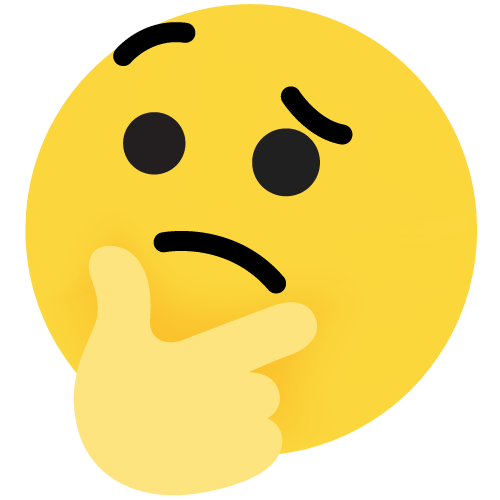
[thinking] says "let me unpack why this happened," and 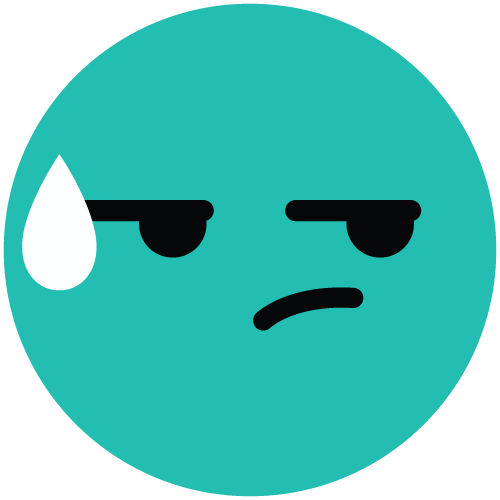
[speechless] adds the "I have no words" energy that matches the creator's own embarrassment. Examples include stories about ordering the wrong thing at a fancy restaurant, accidentally calling a teacher "mom," or showing up to a job interview with something visible on your face.
**Drama and conflict stories**: Someone is recounting a confrontation or betrayal. The emoji vocabulary shifts — 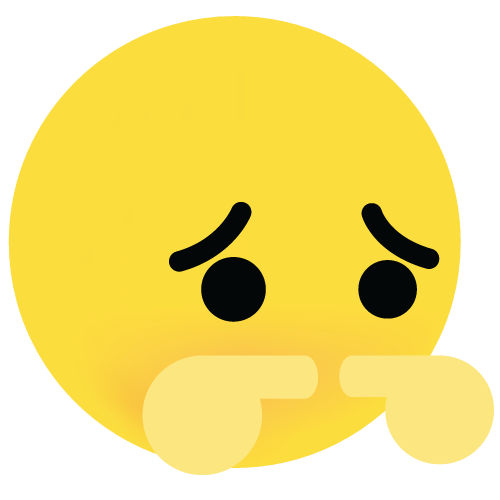
[wronged] shows solidarity with the person who was wronged, 
[pride] backs up someone who stood their ground, and 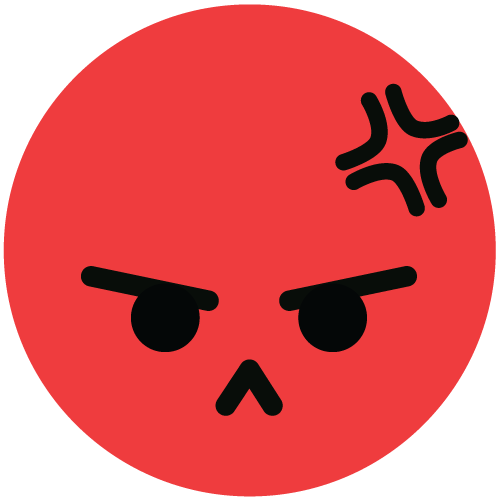
[angry] validates the emotional intensity. Commenters who pick a side and lean into it hard tend to get likes from others who share that read of the situation.
**Confession stories**: These are the most emoji-dense comments because viewers are reacting to vulnerability. 
[laughwithtears] + 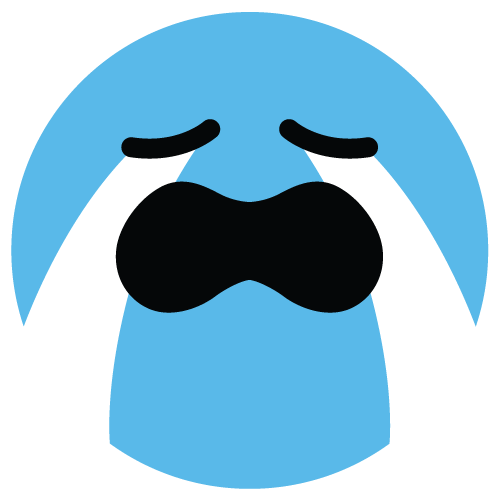
[cry] is the most common combo — it says "this was both funny and painful." The laugh softens the pain; the cry acknowledges it is real. These stories often involve the creator admitting something they have never told anyone.
The Three Act Structure of Story Time Comments
Good storytelling has a setup, conflict, and resolution. The best story time comments mirror this structure — and it is not a coincidence. When you stack your emojis in threes, you are subconsciously following the same narrative arc the creator used to structure their video.
**Act One — Setup (The React)**: Your first emoji registers the initial emotional impression. If the story opens with something absurd or shocking, this is where you signal your baseline reaction. [laughwithtears] works here for stories that hook you with something ridiculous. [mindblown] fits for stories that involve a surprising twist. [facepalm] lands when the creator is about to reveal something that went wrong from the very beginning.
**Act Two — Conflict (The Process)**: The middle emoji(s) register your internal processing. This is where [thinking] earns its keep. By adding a processing emoji after your initial reaction, you signal to other viewers that you stuck around for the complicated middle. [thinking] + [wronged] works well for stories with a clear antagonist. [thinking] + [speechless] fits stories that hit harder than expected.
**Act Three — Resolution (The Land)**: Your final emoji signals how you landed — whether you came out the other side feeling good, validated, or changed. [pride] lands on stories where the creator overcame something. [clap] works for stories with a triumphant moment. [heart] shows up when the story was ultimately about love.
The pattern is intuitive for a reason — it mirrors how humans have been processing stories since we gathered around fires.
Why Order Matters More Than You Think
[wronged] + [thinking] + [facepalm] tells a complete story: "you did something wrong, you processed it, now you regret it." But [facepalm] + [thinking] + [wronged] feels disjointed — the regret comes before the realization, which reads as emotionally confused. TikTok commenters who intuitively order their emojis correctly get more likes because their comment "lands" as a coherent reaction.
This is not arbitrary. Psychologically, readers process sequential information in a cause-and-effect framework. When they see emojis in order, their brain maps a narrative arc to the sequence. A stack like [angry] + [thinking] + [pride] maps to "someone wronged the creator, the creator processed it, and the creator overcame it" — which is satisfying because it mirrors the classic victory arc.
The psychological principle at work is called "narrative sequencing" — the human tendency to interpret ordered stimuli as causal chains. Commenters who understand sequencing come across as more perceptive because their reactions "track."
The One Emoji That Changes Everything
[thinking] is the pivot point. When you add [thinking] to any story comment, it signals that you are not just reacting — you are processing. Comments with [thinking] tend to get more replies because they invite the creator to engage in discussion, not just acknowledgment.
[thinking] works because it adds a second beat to your comment. A single emoji registers as a quick reaction. A two-emoji stack with [thinking] in the middle reads as a considered response, which is rarer and therefore more visible.
Pro Commenters' Story Stack Patterns
Power commenters — the accounts with thousands of likes on story time videos — tend to follow recognizable patterns.
**The Trauma Bond Stack**: [cry] + [thinking] + [heart]. This one appears on stories where the creator shares something painful but ends on a hopeful note. The [cry] acknowledges the weight of what was shared, the [thinking] shows you sat with it, and the [heart] lands on the hopeful resolution.
**The Justice Warrior Stack**: [wronged] + [angry] + [pride]. This appears on stories with a clear villain who got what was coming to them. Commenters using this stack are essentially picking a side and riding it hard.
**The Fellow Survivor Stack**: [facepalm] + [laughwithtears] + [clap]. This appears on self-deprecating stories where the creator's embarrassment contains a hidden win — they survived something ridiculous and are now laughing about it.
**The Plot Twist Stack**: [mindblown] + [thinking] + [speechless]. This appears on stories that took an unexpected turn — the reveal that changed everything.
When to Skip Emojis Entirely on Story Content
There are stories where emoji-heavy comments read as tone-deaf. The key distinction is whether the creator is performing vulnerability or sharing it.
Performed vulnerability has the signature energy of content made for engagement — dramatic music, deliberate pauses, exaggerated facial expressions. Emoji stacks land well here because the creator expects and wants big reactions.
Genuine vulnerability looks different. The creator speaks quietly, avoids the camera, takes pauses that feel real rather than edited. When you see this energy, an emoji-dense comment can feel like you are applauding a performance rather than honoring a moment.
In those cases, [heart] alone communicates more than a stack of six emojis ever could. It says "I see what this cost you and I am holding it gently."
Another scenario where plain text works better: when the creator explicitly asks for advice or input. A plain text comment like "this happened to me too and here's what helped" will outperform any emoji stack because it gives the creator something to work with.
For more on narrative emoji combos, see emoji arc guide. For all verified codes, check the emoji dictionary.
Related Articles(5)
TikTok Emoji Codes: Full A-Z Dictionary with All 46 Codes, Meanings & Copy-Paste Guide
The complete A-Z dictionary of all TikTok emoji codes. Find any code instantly with its meaning, when to use it, and example comments.
Read more →Creator's Guide to TikTok Emoji Engagement: 7 Tactics That Get Comments
How content creators can use their understanding of TikTok emoji culture to write better captions, encourage more comments, and build stronger communities.
Read more →TikTok Comment Strategy: 7 Emoji Patterns Top Commenters Use
The best TikTok comments aren't accidents. Here's what top commenters actually do with emojis — and what they avoid — to write comments people want to read and like.
Read more →5 TikTok Emoji Mistakes Every Beginner Makes (And How to Fix Them)
Using the wrong TikTok emoji code, stacking too many emojis, or ignoring context—these common mistakes make your comments look spammy. Here's how top commenters do it right.
Read more →About Emoji Tik: Our Mission to Decode Digital Expression
Meet the team behind Emoji Tik and learn about our passion for understanding how emojis shape digital communication, culture, and human connection in the TikTok era.
Read more →Explore More on Emoji Tik
Browse our complete emoji library with all 46 verified TikTok emoji codes and meanings.
Read our latest research articles, trend reports, and emoji guides.
Get answers to common questions about TikTok emojis and their usage.
Have questions or suggestions? We're here to help.