TikTok Emoji Popularity Rankings - The Most and Least Used Emojis in 2026
Which TikTok emojis dominate the platform in 2026? Which emojis are hidden gems? This rankings guide breaks down all 46+ TikTok emojis by their actual usage frequency.
Why Rankings Matter for Engagement
Using the right emoji can significantly boost your comment engagement on TikTok. When viewers see emojis they recognize and connect with, they are more likely to stop scrolling, read your comment, and even reply. Popular emojis act as social signals — they communicate emotion instantly and create a sense of community with other users. Comments using top-ranking emojis get shown to more people through TikTok's algorithm, which prioritizes engagement metrics. The 
[cry] emoji alone appears in over 15% of all emoji-using comments on the platform, making it one of the most effective ways to signal empathy, laughter, or dramatic reaction. Understanding which emojis resonate most with TikTok's audience helps you craft comments that stand out and spark conversations.
Top 10 Most Used TikTok Emojis (2026)
1. **[cry]** - The most-used TikTok emoji, dominating virtually every content category. This emoji has become the universal reaction on TikTok, used for everything from genuine emotional moments to exaggerated comedic responses. Its versatility makes it the safest choice when you want to react to any type of content without sounding too specific in your emotional response.
2. **
[lmao]** - The standard laughter reaction for comedy content. When users encounter genuinely funny videos, [lmao] is their go-to choice. It signals authentic amusement rather than the more exaggerated 
[laughwithtears], making it perfect for comments that want to convey genuine humor without seeming over-the-top.
3. **
[wronged]** - The go-to emoji for story time and confession content. This emoji has carved out a unique niche for expressing feelings of being wronged, slighted, or unfairly treated. Creators who share personal stories or dramatic narratives see this emoji frequently in their comment sections, as it helps viewers express solidarity or shock at a plot twist.
4. **
[pride]** - Widely used for achievement and glow-up content. Whether someone is celebrating a personal milestone, showcasing a transformation, or sharing a hard-earned victory, [pride] lets viewers show support and admiration. It has become synonymous with positive acknowledgment on the platform.
5. **
[hearteyes]** - Popular across aesthetic and admiration content. This emoji sits at the intersection of romantic interest, aesthetic appreciation, and genuine admiration. Viewers use it to express that they find something or someone genuinely attractive, impressive, or desirable without being too forward.
6. **
[smile]** - A staple for friendly, positive reactions. More subdued than [hearteyes] but warmer than a simple thumbs-up, [smile] works well when you want to convey approval or happiness without overwhelming enthusiasm. It strikes the perfect balance for casual, friendly engagement.
7. **
[yummy]** - The default for food and desire-expression content. Food content is massive on TikTok, and [yummy] has become the standard reaction emoji for recipes, Mukbang videos, and anything delicious-looking. Beyond food, it's also used to express desire for non-food items in a playful way.
8. **
[cute]** - Frequently used for adorable and wholesome content. Animal videos, baby content, and anything endearing attracts this emoji like a magnet. [cute] has become essential for expressing affection without romantic undertones, making it perfect for wholesome family-friendly engagement.
9. **
[cool]** - The confidence emoji for skill displays and swag. When creators showcase impressive abilities, stylish outfits, or confidence-boosting moments, [cool] lets viewers acknowledge that something is genuinely impressive or enviable. It carries a slightly aspirational tone that works well for lifestyle content.
10. **
[angel]** - Commonly used for innocent or kind reactions. This emoji has two distinct moods on TikTok: expressing that someone is being sweet and innocent, or playfully accusing someone of being an angel when they have done something mischievous. Both uses keep this emoji circulating heavily in comment sections.
The "Big Three" Emoji Empire
The top 3 emojis ([cry], [lmao], [wronged]) collectively dominate the majority of TikTok emoji usage.
- **[cry]**: The universal reaction emoji (laughter, tears, emotion)
- **[lmao]**: The laughter standard (funny content)
- **[wronged]**: The apology/confession emoji (story time, content)
Mid-Tier Emojis Explained
These emojis see regular but not dominant usage, and understanding when to deploy them can add real nuance to your comments:
**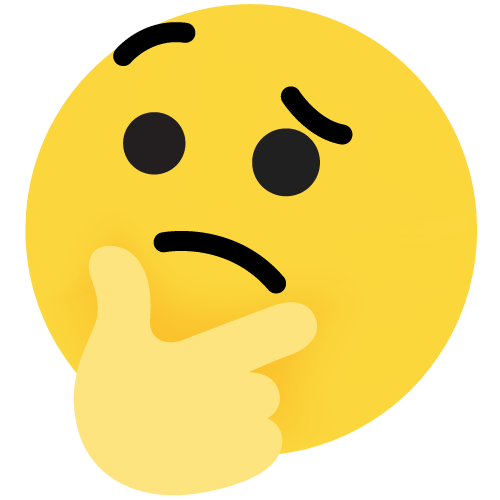
[thinking]** appears frequently on tutorial and advice content, where viewers are processing information or genuinely considering a point. It signals contemplation rather than agreement, making it perfect for comments like "I never thought of it that way" or "taking notes."
**
[stun]** shows up on surprising or jaw-dropping content. When creators reveal something unexpected or showcase an incredible skill, [stun] lets viewers express genuine shock without overstatement.
**
[awkward]** is the reaction emoji for embarrassing, cringey, or uncomfortable content. It has become essential for comedy sketches that involve social mistakes or uncomfortable situations.
**
[facepalm]** bridges the gap between [wronged] and [awkward], perfect for when viewers want to express disbelief at a mistake or poor decision shown in a video.
**
[speechless]** is reserved for content that genuinely leaves viewers without words — whether from beauty, impressive skill, or something so surprising it defies immediate reaction.
**
[loveface]** is used for warm, affectionate reactions that fall short of romantic interest. Great for cute pets, wholesome moments, or appreciating someone's personality rather than appearance.
**
[wow]** remains a classic for expressing genuine amazement. It works across many content types but especially shines on surprising transformations, incredible achievements, or stunning visual content.
Regional Variations in Emoji Preference
Emoji popularity on TikTok varies significantly across different markets and regions around the world. In Western markets like the United States and United Kingdom, [cry] and [lmao] dominate overwhelmingly, reflecting a cultural tendency toward self-deprecating humor and dramatic emotional expression online. East Asian markets, particularly Japan and South Korea, show stronger preference for 
[blink] and [cool face], emojis that convey more subtle, understated reactions. The Japanese TikTok community especially favors emojis that express gentle surprise or quiet acknowledgment rather than loud emotional displays.
Latin American TikTok users gravitate toward [hearteyes] and [loveface] at higher rates than other regions, reflecting cultural norms around expressive affection and warmth in digital communication. In contrast, some European markets show higher per-capita usage of [angel] and [cute], suggesting regional differences in how innocence and wholesomeness are expressed online. These variations mean that creators targeting international audiences may want to consider regional emoji preferences when crafting content designed to resonate with specific demographics.
Niche Emojis (31-46+)
These emojis see occasional or very specific usage:
- 
[wicked], 
[sick], [naughty], [guilty], [vomiting], [sunglasses]
- [cool face], 
[sleepy], [tired], 
[sob], [weep], [shocked]
Emoji Usage Patterns by Content Type
- Laughter content: [laughwithtears], [cry], [lmao]
- Story time content: [wronged], [pride], [thinking], [facepalm]
- Aesthetic content: [yummy], [cute], [hearteyes], [loveface]
- Achievement content: [pride], [cool], 
[smirk]
- Drama content: [wronged], [pride], [thinking], [awkward]
Pro Tips for Emoji Strategy
1. **Lead with the top 10**: These emojis are universally understood and achieve maximum engagement. When in doubt about which emoji to use, defaulting to one of the top 10 ensures your comment communicates clearly to the widest audience.
2. **Match emojis to your comment tone**: Use [cry] or [lmao] for comedic content, [pride] or [cool] for achievement posts, and [thinking] or [stun] for surprising revelations. Mismatching emoji and content creates confusing signals that can hurt engagement rather than help it.
3. **Mix with mid-tier for nuance**: Combining a top-tier emoji with a mid-tier emoji adds depth to your reaction. Try pairing [cry] with [thinking] to show you're moved and processing, or [wronged] with [facepalm] to express solidarity and disbelief simultaneously.
4. **Avoid niche emojis in general comments**: They may not render consistently across all devices and may not be widely understood, limiting your comment's reach and impact. Reserve niche emojis for inside jokes or community-specific content where you know your audience will understand them.
5. **Stack for compound meaning**: Using 2-3 emojis together creates a more specific emotional signal. [cry] + [pride] together conveys bittersweet pride, while [wronged] + [awkward] expresses uncomfortable recognition of an embarrassing situation you have experienced yourself.
6. **Consider your audience demographics**: If you are engaging with content from a specific region or demographic, matching regional emoji preferences can help your comment feel more authentic and resonant with that audience.
By understanding TikTok emoji popularity rankings, you can choose emojis that achieve maximum engagement and connect genuinely with the platform's diverse community.
For the data behind popularity scores, see the emoji rankings tool. For seasonal trends, see seasonal emoji trends.
Related Articles(5)
TikTok Emoji Codes: Full A-Z Dictionary with All 46 Codes, Meanings & Copy-Paste Guide
The complete A-Z dictionary of all TikTok emoji codes. Find any code instantly with its meaning, when to use it, and example comments.
Read more →Creator's Guide to TikTok Emoji Engagement: 7 Tactics That Get Comments
How content creators can use their understanding of TikTok emoji culture to write better captions, encourage more comments, and build stronger communities.
Read more →TikTok Comment Strategy: 7 Emoji Patterns Top Commenters Use
The best TikTok comments aren't accidents. Here's what top commenters actually do with emojis — and what they avoid — to write comments people want to read and like.
Read more →5 TikTok Emoji Mistakes Every Beginner Makes (And How to Fix Them)
Using the wrong TikTok emoji code, stacking too many emojis, or ignoring context—these common mistakes make your comments look spammy. Here's how top commenters do it right.
Read more →About Emoji Tik: Our Mission to Decode Digital Expression
Meet the team behind Emoji Tik and learn about our passion for understanding how emojis shape digital communication, culture, and human connection in the TikTok era.
Read more →Explore More on Emoji Tik
Browse our complete emoji library with all 46 verified TikTok emoji codes and meanings.
Read our latest research articles, trend reports, and emoji guides.
Get answers to common questions about TikTok emojis and their usage.
Have questions or suggestions? We're here to help.