The [shock] Emoji: TikTok's Ultimate Plot Twist Reaction
The 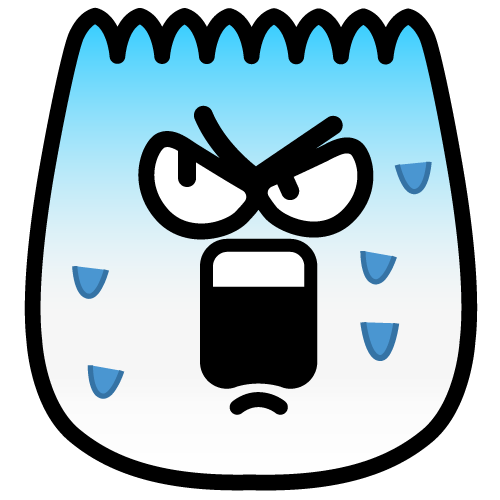
[shock] emoji—with its wide-eyed, jaw-dropped expression—is the definitive TikTok reaction to plot twists, reveals, and anything that catches you completely off guard. As one of the most-used emojis, it's second only to 
[cry] in popularity.
What [shock] Actually Means on TikTok
Unlike Unicode emojis where shock typically signals negative surprise, TikTok's [shock] is used for both positive and negative surprises:
- **Plot twists**: "I did NOT see that coming" - **Skill displays**: "How is that even humanly possible" - **Drama reveals**: "Wait, what just happened" - **Glow-ups**: "This transformation is insane" - **Unexpected endings**: "The ending broke my brain"
Why [shock] Works Psychologically
The [shock] emoji triggers a primal neurological response that makes it exceptionally engaging on TikTok. When viewers encounter a jaw-dropping moment, their brains release a surge of dopamine mixed with genuine cognitive dissonance—the mental collision between what they expected and what just happened. The wide-eyed expression in [shock] mirrors the viewer's own physiological state, creating an instant empathetic connection.
This alignment matters because TikTok's algorithm rewards engagement signals. Comments lead with [shock] generate higher comment reply rates because the emoji acts as a cognitive shortcut—it instantly communicates "I was caught completely off guard" without requiring the viewer to craft elaborate text.
The wide-eyed stare also triggers what psychologists call the "attention capture reflex." Our peripheral vision evolved to detect unexpected eyes staring at us—our ancestors needed to know when a predator was watching. That primal alert system fires when we see the [shock] emoji, making scrollers pause even for a fraction of a second. On a platform where milliseconds of pause determine whether someone keeps watching, that moment of captured attention is gold for creators.
[shock] vs. Related Emojis
**[shock] vs 
[wow]**: [shock] is pure disbelief—you're frozen. [wow] is amazement—you can still process and react. Use [shock] for "I cannot believe this" and [wow] for "this is incredible." The key distinction is cognitive load: [wow] suggests your brain is keeping up with the information, while [shock] suggests the information broke your brain's processing capacity entirely.
**[shock] vs 
[stun]**: [shock] understands what happened but can't believe it. [stun] has dizzy eyes and literally can't process what's happening. [stun] is the more extreme reaction. When someone reveals something shocking but logically comprehensible, [shock] fits. When the revelation is so absurd that your mind needs several seconds to even begin processing it, [stun] is the better choice.
**[shock] vs 
[surprised]**: [surprised] is for mild, everyday surprises. [shock] is for earth-shattering moments. The eye shape difference is subtle but semantically significant—[surprised] has a softer, more questioning expression, while [shock] has the jaw-dropping intensity of genuine disbelief. Save [surprised] for pleasant surprises like unexpected gifts or funny mishaps, and reserve [shock] for moments that genuinely shake your worldview.
**[shock] vs 
[scream]**: [scream] indicates panic or terror, while [shock] indicates stunned disbelief. If someone's content involves a genuine scare or frightening moment, [scream] might be appropriate. But for plot twists and reveals where the emotion is "I cannot believe what I'm seeing" rather than "I'm scared," [shock] remains the gold standard.
Content Types Where [shock] Dominates
**Story time narrative videos**: The "and then..." moment when the plot thickens. [shock] signals you're fully engaged with the narrative and creates community among viewers who experienced the same surprise.
**Skill and trick execution videos**: When a creator pulls off something that seems physically impossible, [shock] + [wow] dominates the comment section. The combination acknowledges both the disbelief ([shock]) and the appreciation ([wow]) for the skill displayed.
**Drama reveals and tea content**: When the plot twist drops in interpersonal drama or gossip content, [shock] shows you're invested without committing to a side.
**Transformation and glow-up content**: Before-and-after reveals that show dramatic personal transformations generate massive [shock] engagement. The gap between expected and actual outcome creates the perfect cognitive dissonance for a [shock] reaction.
**Plot twist gaming and movie content**: Reaction videos to unexpected endings in games, movies, or series finales are where [shock] reaches peak usage.
Common Mistakes With [shock]
**Using it for mild surprises**: If the content is surprising but not jaw-dropping, [surprised] or even [wow] is more accurate. Using [shock] for everyday surprises dilutes its impact and can come across as over-dramatic.
**Placing it at the end of a comment**: The [shock] emoji acts as an emotional headline—viewers' eyes are drawn to it first. Comments that bury [shock] at the end miss the opportunity to capture attention. Lead with the emoji, then follow with your reaction text.
**Overusing [shock] + [stun] + 
[speechless] together**: While the "Mind Blown" stack is powerful, using all three emojis together on every surprised reaction makes your engagement feel generic. Reserve the full stack for genuinely earth-shattering moments.
**Using [shock] when the emotion is actually excitement**: If someone is genuinely thrilled rather than surprised, [shock] is the wrong emoji. Excitement is better conveyed with [fire] or [celebrate].
Advanced [shock] Stacking Patterns
**[shock] + [stun] + [scream]**: The "Genuine Panic" stack for content that is both shocking and frightening.
**[shock] + [cry] + [broken heart]**: The "Emotionally Devastated" stack for shocking reveals with tragic or painful implications.
**[shock] + [star eyes] + [exploding head]**: The "Intellectual Overload" stack for content that shocks you with its cleverness or complexity.
**Single [shock] with strategic text placement**: For moderately surprising content, a standalone [shock] followed by a short punchy phrase creates more engagement than a multi-emoji stack. The sparse approach signals genuine restraint.
Pro tip: Place [shock] at the beginning of your comment, not the end. It acts as an emotional headline that draws readers to your full comment.
For how shock is used in different cultures, see [cross-cultural meanings](/blog/cross-cultural-tiktok-emoji-meanings). For the full emoji list, check the [glossary](/glossary).
Related Articles(5)
About Emoji Tik: Our Mission to Decode Digital Expression
Meet the team behind Emoji Tik and learn about our passion for understanding how emojis shape digital communication, culture, and human connection in the TikTok era.
Read more →TikTok Emoji Codes: Copy and Paste All 46 Emojis (Complete List & Meanings)
A complete TikTok emoji list guide that explains every hidden TikTok emoji code, how to read the TikTok emoji list with meanings, and how to copy & paste codes into comments like a native.
Read more →TikTok Emoji FAQ: 40+ Questions About TikTok's Hidden Emoji System (2026)
The most comprehensive FAQ about TikTok emoji codes — how they work, what they mean, why they don't show, and how to use them correctly.
Read more →5 TikTok Emoji Mistakes Every Beginner Makes (And How to Fix Them)
Using the wrong TikTok emoji code, stacking too many emojis, or ignoring context—these common mistakes make your comments look spammy. Here's how top commenters do it right.
Read more →Creator's Guide to TikTok Emoji Engagement: 7 Tactics That Get Comments
How content creators can use their understanding of TikTok emoji culture to write better captions, encourage more comments, and build stronger communities.
Read more →Explore More on Emoji Tik
Browse our complete emoji library with all 46 verified TikTok emoji codes and meanings.
Read our latest research articles, trend reports, and emoji guides.
Get answers to common questions about TikTok emojis and their usage.
Have questions or suggestions? We're here to help.