TikTok Emoji Memes — The Codes That Built Meme Culture
These are the TikTok bracket emojis that became actual internet memes themselves — from [doge] to [clown] to [skull], these are the codes that show up in comment sections, group chats, and TikTok captions when creators want a meme-ready reaction. All 46 TikTok emojis are copyable with one click.
Classic Meme Emojis
These bracket codes reference or became memes themselves. [doge] is the Shiba Inu, [clown] is the "you fool" meme, [skull] means "I'm dead" from laughing.


Reaction Memes
Use these when you want to meme-react to a comment. [facepalm] for cringe, [wronged] for strategic apology, [blink] for inside-joke energy.



Villain Arc Emojis
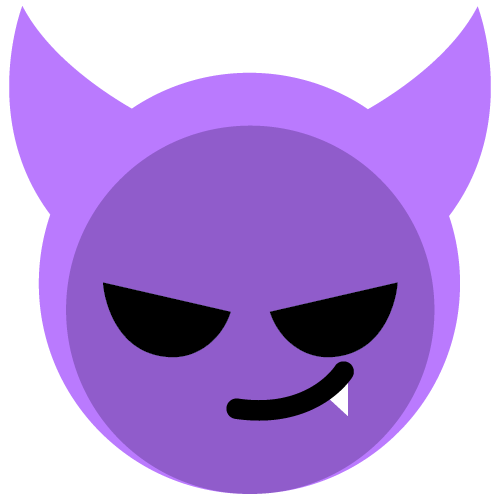
The "villain arc" trend brought [pride], [wicked], and [evil] — these darker, dramatic reactions became memes in their own right on TikTok.


Laughing-So-Hard Memes
[laughwithtears], [lmao], [joyful] — the meme-trio for "this is so funny I can't." Each one escalates the comedy.



Cringe & Regret
[awkward] for the sweat-drop cringe moment, [embarrassed] for the blushing reaction, [facepalm] for "I can't watch."


How to use TikTok meme emojis
Copy any bracket code below and paste it into a TikTok comment, caption, bio, or DM. TikTok will automatically render it as the custom emoji graphic — only visible inside the TikTok app.
Why these became meme emojis
These bracket codes went viral because they capture specific internet-culture reactions that Unicode emojis can't express. [doge] is literally the meme dog. [skull] = "I'm dead" because nothing else works on Twitter either. [clown] = "you're being silly" or "I was being silly." TikTok's custom art makes them stand out.