TikTok Emoji History Timeline
The evolution of TikTok’s hidden emoji system from basic reactions to the 46 specialized emojis we know today.
📱
2016
TikTok Launches (as Musical.ly)
The app launched without custom emojis. Users relied on standard Unicode emojis for reactions.


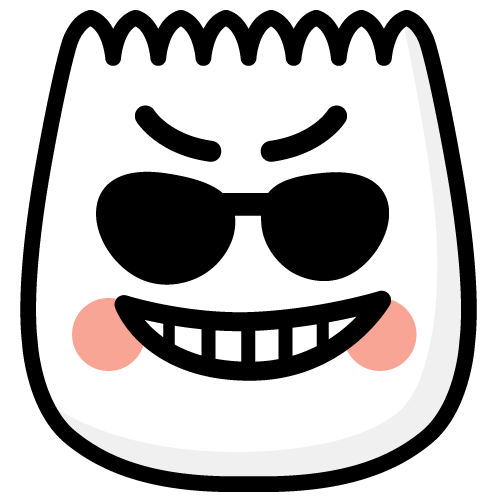

😲
2019
Expansion of Emotion Range
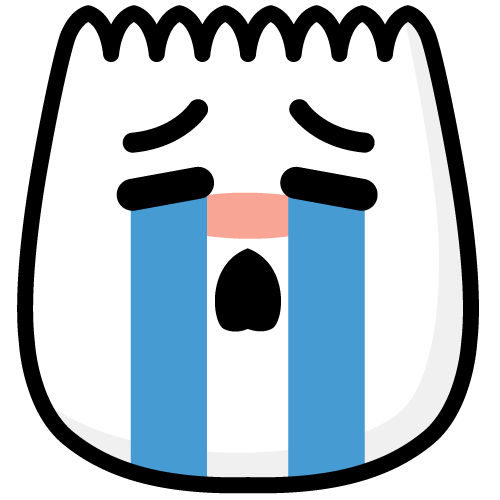
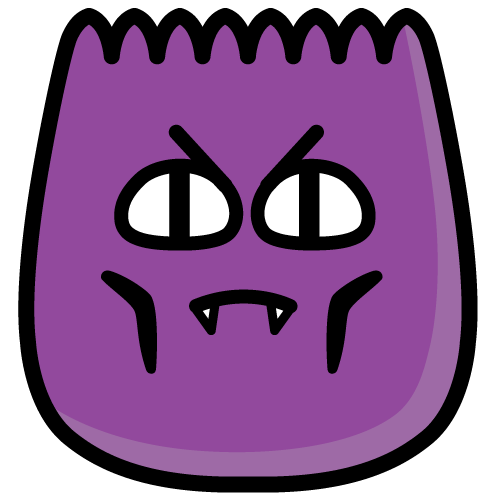
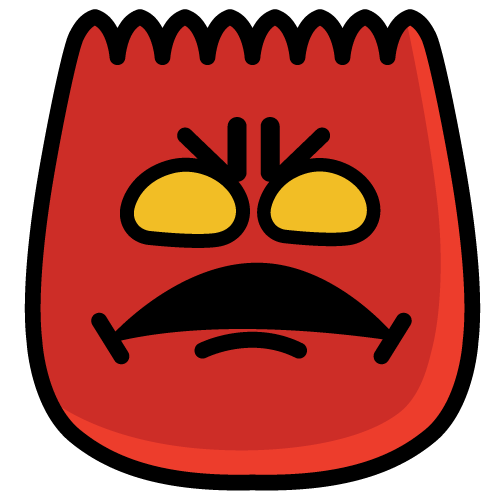
Added expressive emojis like [shock], [wow], [thinking], and [angry] as the platform grew globally and needed more nuanced reactions.
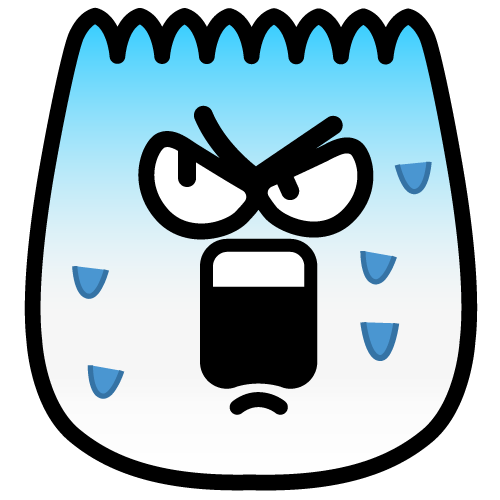

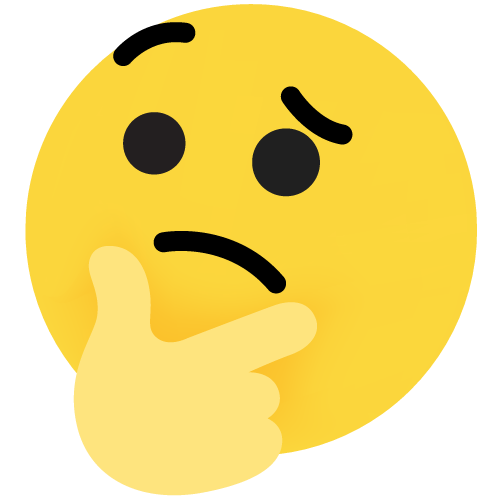
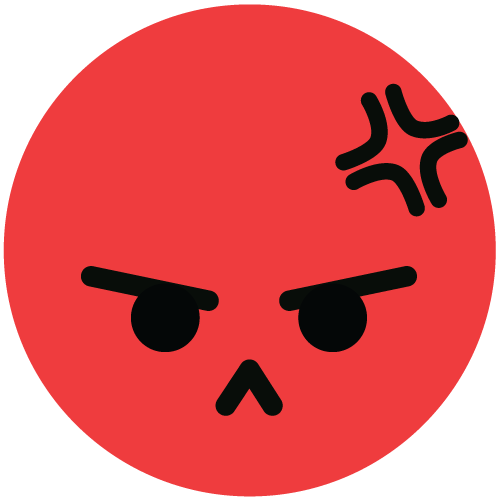











🤫
2024
Completing the Set
TikTok rounded out the collection with niche emojis for specific contexts like [shh], [awkward], [complacent], and more.



🎯
2025
46 Official Emojis
The current set of 46 hidden emojis is stable. These bracket-code emojis are now deeply embedded in TikTok comment culture worldwide.
Fun Facts
Most Emojis Added in a Single Year
2022
5+ new emojis as story-time content exploded
Time from Launch to Full Set
~7 years
From first emoji in 2018 to the stable 46-emoji set
Most Popular Category
Happy & Positive
The largest category by emoji count
Unique to TikTok
46 / 46
All bracket-code emojis are TikTok-exclusive