The [wronged] Emoji: Why TikTok's Quiet Power Move Still Wins Comments
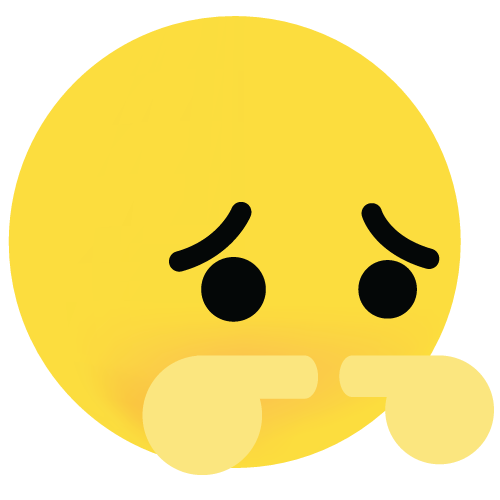
[wronged] — the face looking down with fingers pressed together — is one of the most-used emojis in our quarterly reader poll, and it is also the one that gets misread most often. The drawing reads as apologetic. In practice, on TikTok comments, almost nobody uses it to actually apologize. They use it to do the opposite while sounding like they are not.
What [wronged] is actually doing
The draw is the gap between what the face shows and what the comment is doing. The face is performing "okay, maybe mea culpa." The comment underneath is usually a brag, a confession, or a take that does not need an apology at all. Readers see both at once. The mismatch is the joke.
A few patterns we see over and over in comment sections:
- **The fake-mea-culpa brag.** "I was not even trying [wronged] 
[pride]." The "apology" arrives one emoji before the flex, so the flex gets to feel humble.
- **The proud confession.** "I would 100% do it again [wronged]." Admitting guilt, then owning it. Reads as confident, not sorry.
- **The setup for a punchline.** Drop [wronged] early in a longer comment and the reader is already smiling before the actual reveal lands.
If you have ever wondered why [wronged] gets millions of likes on top comments, it is because of this two-layer read: face says sorry, words say something else.
Why it works (the short version)
A confession delivered with confidence reads as self-aware. A confession delivered with "actually I am so sorry" reads as either genuine remorse (rare in comments) or as a bid for sympathy (which most readers can smell). [wronged] sits in the middle: the surface is the bid, the underneath is the swagger.
It also does work as a softener. A bold or controversial take lands better if the comment opens with something that looks like concession. [wronged] gives you that one emoji of "okay, fair" before you say the thing.
We are not going to dress this up as a clever psychological theory. It is closer to: people like commenters who seem like they know what they are doing, and [wronged] is the cheapest way to project that.
Where the gesture comes from
The finger-pressing pose is borrowed from East Asian body language, where it does carry genuine weight as a shy or apologetic gesture. In Japanese it shows up as a polite apology to elders. In Korean and Chinese contexts it reads as earnest. In none of those is it meant to be ironic.
On TikTok, the gesture has been almost entirely repurposed. Western internet culture picked it up, stripped the earnestness, and started using it the way people use the eye-roll emoji — as a sarcastic shorthand. The same gesture now means the opposite of what it meant originally. That kind of reversal happens a lot with borrowed emoji vocabulary; [wronged] is just the clearest current example.
The [wronged] arcs that actually land
The whole point of [wronged] is what comes next. The face is the setup, the next emoji is the punchline. Three combos that we see working in real comments:
- **[wronged] + [pride]** — The comeback. "I messed up but I am winning anyway." This is the most-used [wronged] combo in the polls. Works for humblebrags, story-time punchlines, and any "yeah I did the thing" comment.
- **[wronged] + 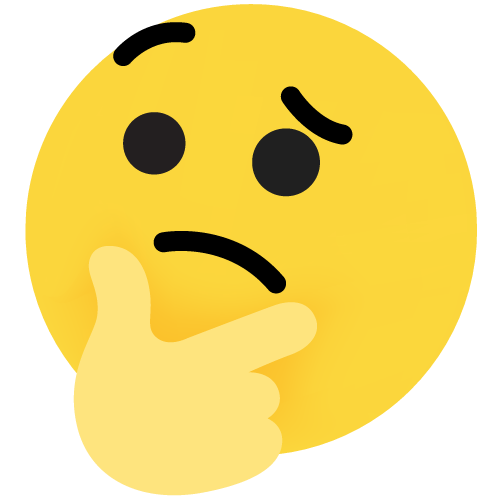
[thinking] + 
[facepalm]** — The actual regret arc. Use this one when you mean it. It is rare on TikTok, which is part of why it reads as honest when it shows up.
- **[wronged] + 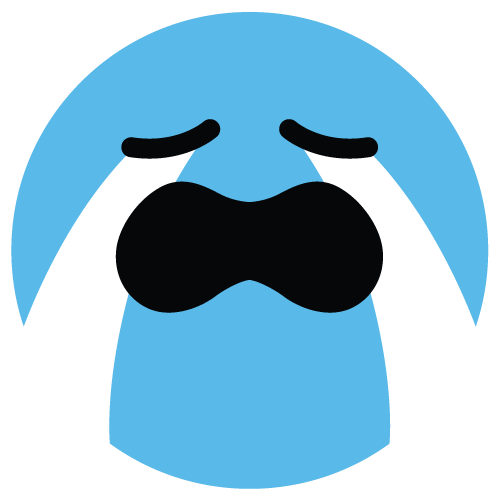
[cry] + [pride]** — The dramatic arc. Tears, then the win. Heavy-handed; lands when the comment is short.
When [wronged] does not work
A few places where the same face falls flat:
- **When you actually did something bad.** Drop [wronged] under a real apology and it reads as a joke. People can tell the difference between performed and real.
- **In communities that prize earnestness.** Mental-health, grief, and survivor communities tend to read the emoji as mockery even when you do not mean it that way. Skip it there.
- **Under something already soft.** [wronged]'s job is to soften. If the comment is already gentle, the emoji adds nothing or makes you look like you are softening for no reason.
- **On political or divisive takes.** The technique works for personal humblebrags. It looks evasive on policy or partisan content.
How creators actually use it
Top commenters treat [wronged] like a controlled opener. Plant it before the punchline and the rest of the comment lands softer than it would on its own. A common move in story-time videos: a creator will seed "I did this too [wronged]" in their own comments to make other people feel safe sharing.
Brand accounts use a similar pattern but with [pride] tacked on. "[wronged] [pride]" is the safest way for a brand to admit a small mistake without losing the brand voice — it acknowledges the error without making the brand sound chastened.
Real [wronged] comment shapes
The pattern is consistent enough that you can predict where [wronged] will appear. Three shapes from comments that hit top:
- **The study humblebrag.** "Did not study at all [wronged] [pride] got a 98." Works because the achievement is specific. Vague humblebrags fall flat.
- **The ex confession.** "Okay so maybe I checked my ex's new girlfriend's profile [wronged] [thinking] [facepalm] [cry]." The arc goes from performed shrug to actual regret. The emoji carry the load.
- **The grind brag.** "My hands hurt from grinding ranked all night [wronged] [pride] finally Diamond." The "cost" becomes proof of dedication rather than a complaint.
For the [wronged] + [pride] combo in detail, see the [wronged + pride combination guide](/blog/wronged-pride-combination-guide). For the full set of verified emoji codes, check the [emoji dictionary](/blog/tiktok-emoji-codes-dictionary).
Related Articles(5)
About Emoji Tik: Our Mission to Decode Digital Expression
Meet the team behind Emoji Tik and learn about our passion for understanding how emojis shape digital communication, culture, and human connection in the TikTok era.
Read more →TikTok Emoji Codes: Copy and Paste All 46 Emojis (Complete List & Meanings)
A complete TikTok emoji list guide that explains every hidden TikTok emoji code, how to read the TikTok emoji list with meanings, and how to copy & paste codes into comments like a native.
Read more →TikTok Emoji FAQ: 40+ Questions About TikTok's Hidden Emoji System (2026)
The most comprehensive FAQ about TikTok emoji codes — how they work, what they mean, why they don't show, and how to use them correctly.
Read more →5 TikTok Emoji Mistakes Every Beginner Makes (And How to Fix Them)
Using the wrong TikTok emoji code, stacking too many emojis, or ignoring context—these common mistakes make your comments look spammy. Here's how top commenters do it right.
Read more →Creator's Guide to TikTok Emoji Engagement: 7 Tactics That Get Comments
How content creators can use their understanding of TikTok emoji culture to write better captions, encourage more comments, and build stronger communities.
Read more →Explore More on Emoji Tik
Browse our complete emoji library with all 46 verified TikTok emoji codes and meanings.
Read our latest research articles, trend reports, and emoji guides.
Get answers to common questions about TikTok emojis and their usage.
Have questions or suggestions? We're here to help.