TikTok Emoji Generational Language: How Different Age Groups Create Distinct Digital Dialects
If you spend enough time on TikTok, you can usually tell a commenter's age group by their emoji usage — not just which emojis they pick, but how they use them. The differences aren't about capability. They're about communication style.
Gen Z: Emoji as First Language
For the youngest TikTok users, emoji combinations are the default way to react. A Gen Z commenter's first instinct isn't to write "this is funny" — it's to drop 
[laughwithtears] + 
[cry] + 
[lmao]. Text is secondary.
This group also pushes emoji meanings forward. When 
[wronged] shifted from "I'm sorry" to "I'm sorry but also winning," Gen Z users drove that change. They experiment with new combinations and abandon old ones faster than any other age group.
Millennials: The Bridge Generation
Millennials on TikTok tend to mix Unicode emojis with TikTok-specific codes. You'll see a standard laughing emoji alongside [cry], or a standard heart next to 
[loveface]. This hybrid approach reflects their comfort with both traditional and platform-specific emoji systems.
Millennials also tend to write more text alongside their emojis. Where a Gen Z commenter might leave just [cry] + 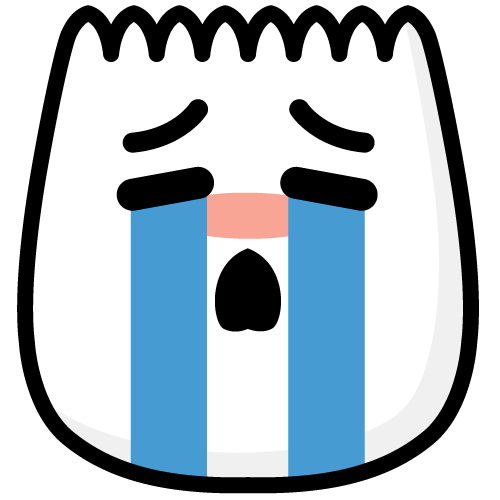
[tears], a millennial is more likely to add "this made my whole day" alongside it. The emoji amplifies the text rather than replacing it.
Gen X and Older: Selective Adoption
Older TikTok users tend to use fewer emojis but with more intentionality. When a Gen X user comments with 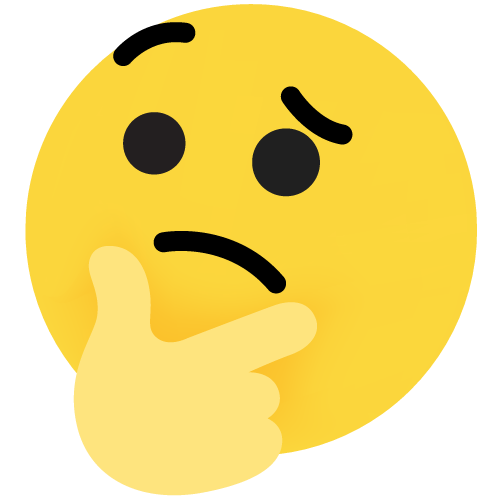
[thinking] or 
[cool], they usually mean it literally — there's less of the ironic or layered usage that characterizes younger users' emoji choices.
This isn't a deficit. Single-emoji comments from older users often read as more sincere precisely because they're used less frequently. When someone who rarely uses emojis drops a 
[wow], it carries weight.
The Communication Gap
The real issue isn't that different age groups use different emojis — it's that they interpret the same emojis differently. A millennial's [cry] + [tears] + "I'm literally crying" reads as genuine emotion. A Gen Z user's [cry] + [tears] might mean the same thing, or it might mean "this is funny," or it might be a performative reaction to get likes. Without knowing the age group, you can't always tell.
What This Means for the Platform
As TikTok's user base continues to age and diversify, these generational dialects will become more pronounced. The emoji system that works perfectly for Gen Z's communication style may need to accommodate the different approaches that older users bring. The interesting question is whether the system evolves to serve all groups equally, or whether certain emoji cultures become more dominant as user demographics shift.
For the linguistic perspective, see [emoji linguistics analysis](/blog/tiktok-emoji-linguistics-analysis). For how culture shapes emoji use, see [digital anthropology](/blog/digital-anthropology-tiktok-emoji-culture).
Related Articles(5)
Cross-Cultural TikTok Emoji Meanings: How the Same Emoji Tells Different Stories Around the World
Discover how TikTok emojis like [wronged], [pride], and [cry] carry completely different cultural meanings across regions, creating fascinating examples of digital cultural translation and miscommunication.
Read more →How TikTok Emoji Usage Changes With the Seasons: Valentine's, Halloween, and Beyond
TikTok emoji trends shift with holidays and seasons. Valentine's Day brings different reactions than summer. Here's how emoji culture follows the calendar.
Read more →TikTok vs Instagram Emojis: What Changes When You Cross Platforms
TikTok uses hidden bracket codes. Instagram uses standard Unicode emojis. The two systems lead to very different comment sections — here is what actually changes when you move between them, and what to watch for if you post on both.
Read more →TikTok vs YouTube and Twitch Emojis: Why Short-Form Video Has Its Own Emoji Rules
YouTube and Twitch have emoji systems too. But none of them work quite like TikTok's bracket codes. Here's what each platform does differently and why it matters.
Read more →How Southeast Asian TikTok Users Use Emojis Differently: Singapore, Philippines, Indonesia, Thailand, Vietnam (2026)
Singapore is one of the highest-engagement TikTok markets in the world, and the broader Southeast Asian emoji culture — Philippines, Indonesia, Thailand, Vietnam — runs distinctly from Western norms. A regional guide with the bracket codes, the kawaii-Japan overlap, and the search-trend signal map.
Read more →Explore More on Emoji Tik
Browse our complete emoji library with all 46 verified TikTok emoji codes and meanings.
Read our latest research articles, trend reports, and emoji guides.
Get answers to common questions about TikTok emojis and their usage.
Have questions or suggestions? We're here to help.